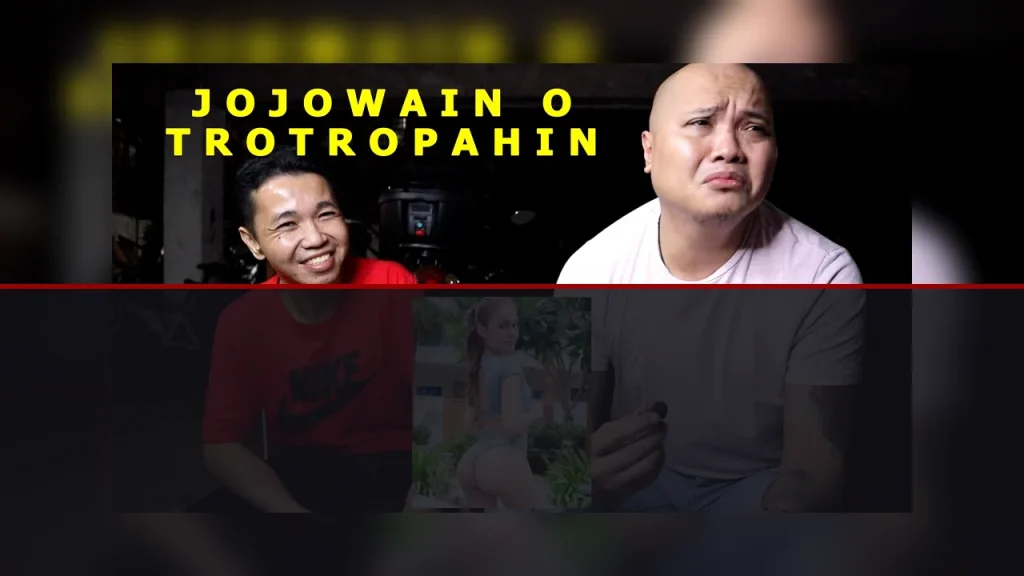
In this digital relationship commentary, creator Cherryl Ting explores two prominent vulnerabilities often experienced by men within romantic partnerships. The discussion highlights the importance of emotional validation and honest dialogue to bridge communication gaps between partners. By reframing these vulnerabilities as pathways to mutual understanding, the content advocates for greater empathy and physical wellness in long-term relationships.
The Modern Relationship Paradigm: Deconstructing Male Vulnerability
In contemporary digital content creation, relationship commentary has evolved from simplistic romantic advice into a broad platform for social evaluation and psychological discussion. Creators across digital channels frequently tackle the delicate interpersonal dynamics that govern romantic partnerships. Among these commentators, Cherryl Ting has cultivated a distinct presence by engaging audiences with direct discussions on couple dynamics, communication hurdles, and emotional wellness. Her video segment focusing on key vulnerabilities in men provides an engaging focal point for analyzing how digital media addresses sensitive interpersonal themes for a mainstream audience.
Rather than relying on overly technical clinical terms or dramatic sensationalism, the commentary approaches male emotional and behavioral patterns through accessible storytelling. This journalistic critique evaluates how the presentation addresses psychological friction points within relationships, emphasizing constructive advice over superficial tropes. By examining the structural framing, narrative approach, and underlying relational philosophy of the discussion, we gain insight into how digital media shapes contemporary discussions surrounding marital health and interpersonal dynamics.
Analyzing the First Kahinaan: The Need for Affirmation and Emotional Validation
The initial phase of the discussion centers on the psychological necessity of emotional validation within a partnership. Culturally, men are often conditioned to project an image of unwavering independence and emotional resilience. However, as the commentary rightly highlights, this facade can obscure a deep-seated need for appreciation and validation from their partners. When verbal affirmation and emotional support are absent, feelings of disconnect and quiet withdrawal frequently take root.
From a media and relationship critique perspective, bringing this dynamic to the forefront serves an essential educational purpose. It prompts viewers to rethink traditional gender stereotypes that assume men are entirely self-sufficient in their emotional lives. By identifying the lack of positive reinforcement as a primary point of vulnerability, the narrative encourages partners to practice active appreciation. Reassuring words, acknowledgment of effort, and simple daily gratitude act as critical stabilizing forces that reinforce a partner’s sense of security and commitment within the domestic sphere.
Analyzing the Second Kahinaan: Navigating Intimacy and Communication Bottlenecks
The second core topic explored in the piece revolves around the complexities of physical intimacy and the communication bottlenecks that frequently surround it. Intimacy remains one of the foundational pillars of romantic longevity, yet it is often the area most prone to miscommunication and unstated expectations. The commentary addresses how hesitancy or reluctance to speak openly about personal preferences, physical wellness, and intimate comfort can lead to emotional distance between couples.
Reframing these intimate challenges through a wellness-oriented lens transforms potential conflict into an opportunity for growth. When partners fail to articulate their emotional and physical needs cleanly, misunderstandings arise regarding affection, energy levels, and romantic intent. The discussion emphasizes that overcoming this vulnerability requires breaking down barriers of unspoken discomfort. By advocating for transparent, empathetic dialogue around health, physical intimacy, and emotional readiness, the content highlights how active listening and honest conversation can revitalize physical and emotional closeness in a relationship. For more detailed movie reviews, celebrity spotlights, and Pinoy indie cinema breakdowns, visit the Ayosto Film Magazine Hub.
Digital Presentation, Pacing, and Media Strategy
From a media production standpoint, Cherryl Ting utilizes an approachable, direct-to-camera format that establishes an immediate sense of intimacy with the audience. This visual arrangement mirrors a peer-to-peer conversation rather than a formal lecture, allowing viewers to absorb relational advice in an comfortable atmosphere. The editing structure maintains a steady rhythm, balancing personal reflections with actionable relationship guidance that keeps viewers engaged throughout the runtime.
Furthermore, the integration of brand elements and casual commentary reflects the contemporary model of lifestyle content creation. By combining relationship guidance with broader personal care discussions, the channel creates a comprehensive lifestyle ecosystem. While the tone remains relaxed, the underlying message delivers practical value for viewers navigating long-distance arrangements, marital transitions, or standard romantic friction. The production succeeds in keeping the dialogue grounded, respectful, and safe for broad audiences while maintaining high viewer engagement.
Practical Takeaways for Long-Term Relationship Longevity
Ultimately, the discussion around male vulnerabilities serves as a broader reminder that strong relationships require continuous upkeep, empathy, and active listening. Recognizing vulnerability in a partner is not an exercise in finding fault; rather, it provides a blueprint for providing targeted support. Couples who proactively address emotional validation and physical wellness communication are significantly better equipped to maintain long-term balance and trust.
For media consumers and relationship enthusiasts alike, such content underlines the vital role that accessible commentary plays in modern adult education. By stripping away taboo and framing interpersonal challenges through the lens of mutual care and open dialogue, creators help normalize crucial conversations that foster healthier, more resilient partnerships in the digital age.
Frequently Asked Questions
- What are the primary topics analyzed in this media commentary?
The critique focuses on male psychological vulnerabilities within relationships, specifically highlighting the need for emotional validation and the importance of open communication regarding intimacy and wellness. - How does the content reframe male vulnerability for modern audiences?
Rather than viewing vulnerability as a flaw, the commentary presents it as an opportunity for partners to build deeper trust through mutual appreciation, proactive communication, and emotional support. - Why is transparent communication essential for relationship health?
Open dialogue prevents misinterpretations regarding affection and physical intimacy, ensuring both partners feel valued, understood, and emotionally secure.
DISCLAIMER: This article is an independent editorial film critique and educational review based on publicly available trailers and materials from Cherryl Ting. All visual media and trademarks belong to their respective copyright holders. The views and analyses expressed herein are solely for critical commentary, media literacy, and cinematic evaluation under Fair Use guidelines, and do not represent formal statements from authorities or the management of ayosto.com.
About The Author