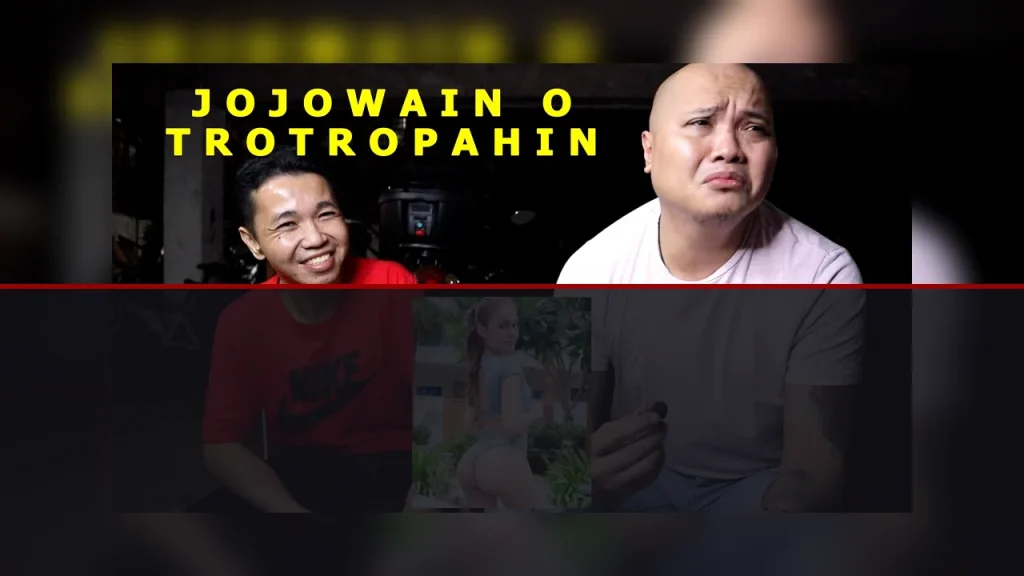
In her digital address, content creator Cherryl Ting breaks down the fundamental pillars of emotional support and mutual understanding required in modern partnerships. Through a structured relationship wellness lens, she highlights key behavioral expectations that foster trust, security, and long-term relational health. This critique analyzes her communicative delivery and the psychological validity of her advice for contemporary audiences.
The Architecture of Digital Relational Advice
Ting’s media formula relies heavily on direct-to-camera address, creating an intimate, pseudo-confidential space that mimics a one-on-one counseling session. This stylistic choice is crucial. By eliminating high-production distractions, she focuses the viewer’s attention entirely on her vocal delivery and expressive facial cues. The structure of her discourse is systematically organized, breaking down the often-nebulous concept of partnership satisfaction into four distinct, actionable pillars. This analytical approach demystifies relationship dynamics, presenting emotional needs not as abstract mysteries, but as tangible behaviors that can be practiced and mastered.
Analyzing the Pillars of Emotional Security
At the heart of Ting’s advice is the concept of emotional security, which she positions as the foundational requirement for any stable partnership. In her critique of modern masculinity and partnership, she emphasizes that emotional availability is not merely a passive trait but an active, daily commitment. From a psychological standpoint, this aligns closely with attachment theory, where secure attachment is fostered through consistent responsiveness and validation. Ting translates these academic concepts into everyday language, arguing that a partner’s primary role is to provide a safe harbor amidst external stressors. By framing emotional security as a non-negotiable need, she empowers her audience to advocate for their emotional well-being within their relationships.
The Role of Active Communication and Validation
Communication is frequently cited as the cornerstone of relationship success, but Ting’s analysis goes deeper by focusing on the nuances of validation. She highlights that women do not merely require communication; they require empathetic listening that acknowledges their experiences without immediately jumping to logical problem-solving. This distinction is vital in relationship therapy. Ting’s media presentation emphasizes that active listening involves presence, eye contact, and emotional alignment. By critiquing common communicative missteps—such as dismissiveness or defensive posturing—she provides viewers with a mirror to reflect on their own conversational habits, elevating the discourse from simple advice to active self-improvement.
Intimacy Dynamics and Romantic Continuity
A significant portion of Ting’s content addresses the maintenance of romantic spark over time. In long-term relationships, the transition from passionate romance to routine companionship is a common point of friction. Ting approaches this topic with a healthy, PG-13 focus on relational wellness and mutual intimacy. She argues that romance is not an occasional luxury but a continuous requirement that signals ongoing commitment. Through her critique, she challenges partners to remain active participants in the courtship process, emphasizing that small, consistent acts of appreciation are far more impactful than grand, sporadic gestures. This perspective reframes intimacy not as a physical transaction, but as an ongoing emotional dialogue.
Media Delivery and Cultural Resonance
What distinguishes Cherryl Ting from traditional relationship columnists is her cultural positioning. Operating within the Filipino digital ecosystem, she blends colloquial warmth with direct, no-nonsense advice. This unique cultural synthesis allows her to address sensitive interpersonal topics without alienating her audience. Her delivery is characterized by a balance of humor and solemnity, ensuring that while the topics discussed are serious, the viewing experience remains engaging and lighthearted. As a media figure, Ting acts as a digital confidante, bridging the gap between clinical relationship advice and peer-to-peer storytelling. Her success underscores a growing public demand for accessible, culturally relevant mental health and relationship education.
Conclusion: The Pedagogy of Modern Partnership
Ultimately, Cherryl Ting’s presentation offers a valuable framework for understanding the evolving expectations within contemporary partnerships. By distilling complex emotional needs into clear, practical guidelines, she provides her audience with the tools necessary to navigate the challenges of modern romance. As relationship media continues to evolve, creators like Ting play a pivotal role in shaping public discourse around emotional intelligence, communication, and mutual respect. Her work stands as a testament to the power of digital media to foster healthier, more communicative communities.
Frequently Asked Questions
- What are the core relationship needs highlighted in Cherryl Ting Advice?
Ting emphasizes emotional security, active validation, consistent communication, and the preservation of romance as the four essential pillars for a healthy partnership. - How does Cherryl Ting’s delivery style impact her audience?
Her direct-to-camera, conversational approach establishes a pseudo-confidential atmosphere, making complex interpersonal dynamics feel highly accessible and practical. - Why is emotional security prioritized in modern relationship wellness?
Emotional security fosters a safe environment for both partners, encouraging open communication, reducing conflict, and aligning with psychological principles of secure attachment.
DISCLAIMER: This article is an independent editorial film critique and educational review based on publicly available trailers and materials from Cherryl Ting. All visual media and trademarks belong to their respective copyright holders. The views and analyses expressed herein are solely for critical commentary, media literacy, and cinematic evaluation under Fair Use guidelines, and do not represent formal statements from authorities or the management of ayosto.com.
About The Author