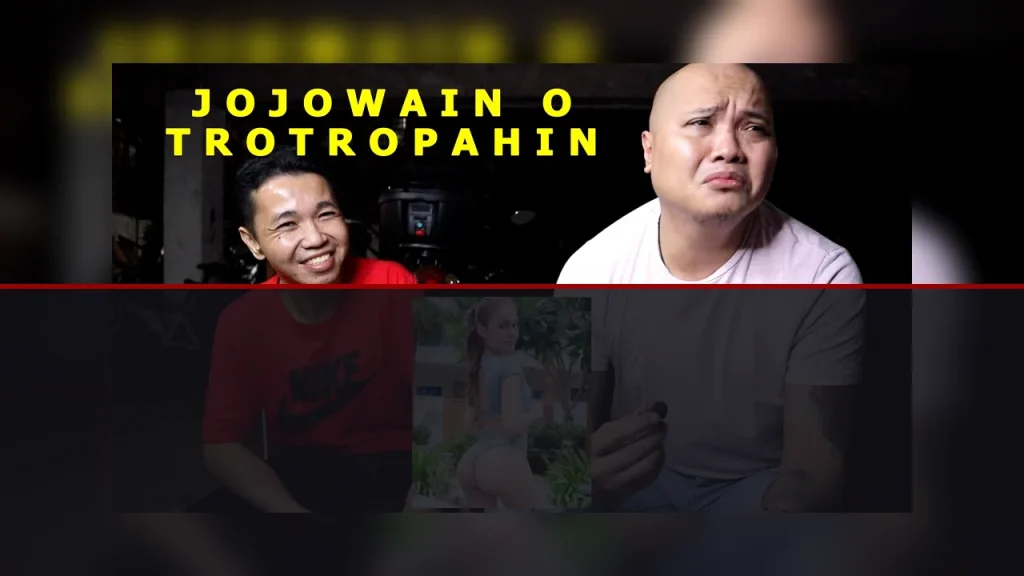
Cherryl Ting examines a poignant relationship dilemma involving financial hardship, loyalty tests, and the complex psychological aftermath of sudden emotional abandonment.
The Anatomy of Relational Resilience
In modern digital media commentary, few creators navigate the delicate intersection of emotional vulnerability and pragmatic life advice quite like Cherryl Ting. Through her signature ‘Secret Files’ segment, audiences are invited into the raw, unfiltered narratives of everyday individuals grappling with profound relational crises. The core of this particular discourse centers around a timeless human dilemma: the disparity between endurance during periods of financial scarcity and the fracturing of bonds once stability is achieved. As relationship critics and media analysts observe, the narrative arc presented here transcends mere gossip, morphing into a compelling case study on human behavior, loyalty, and the ultimate test of character under duress.
The Financial Crucible and Loyalty Dynamics
A central theme emerging from the digital creator’s analysis is the philosophical concept of how adversity tests the true nature of partnership. Sociological paradigms often suggest that hardship acts as an acid test for commitment. In this specific narrative, the female protagonist exhibited extraordinary sacrifice, stretching resources to the absolute limit to support her partner’s international aspirations. Yet, the psychological paradox lies in the aftermath—when financial elevation fails to fortify the relationship, instead triggering a displacement of accountability. Ting expertly unpacks this phenomenon, offering viewers a sophisticated lens through which to view reciprocity, self-worth, and the heavy toll of unrequited devotion.
Reframing Betrayal as Personal Liberation
Moving past the initial shock of emotional displacement, the discussion pivots toward empowerment and psychological restructuring. Rather than wallowing in a cycle of perpetual grievance, the creator champions a paradigm shift: viewing the separation not merely as a loss, but as a definitive filter for authenticity. In media terms, this acts as the emotional climax of the narrative—a transition from victimhood to self-actualization. By encouraging the audience to embrace personal independence and dignity, the commentary underscores the importance of guarding one’s mental well-being against asymmetrical emotional investments. For more detailed movie reviews and Pinoy indie cinema critiques, visit the Ayosto Film Magazine Hub.
Navigating Closure and Emotional Growth
Ultimately, the discourse concludes on a note of measured grace and radical self-compassion. Forgiveness, in this context, is framed not as an absolution of the offending party’s actions, but as a necessary therapeutic mechanism for the survivor’s inner peace. Ting’s overarching message resonates deeply with modern wellness philosophies: integrity in love is never wasted, even when bestowed upon the wrong individual. It serves as an indelible lesson in emotional maturity, proving that true strength is found in the courage to rebuild one’s life from the ground up.
Frequently Asked Questions
- What is the main theme of the Secret Files segment?
The segment explores the complexities of financial hardship, relational loyalty, and how partners react when moving from poverty to financial stability. - How does Cherryl Ting advise viewers to handle emotional abandonment?
She encourages viewers to view the separation as a moment of self-discovery, focusing on personal independence, dignity, and inner peace through radical self-compassion. - Why is financial struggle often viewed as a test of loyalty?
Relationship experts note that shared hardships reveal a person’s true commitment, though stability can sometimes expose underlying shifts in character and accountability.
DISCLAIMER: This article is an independent editorial film critique and educational review based on publicly available trailers and materials from Cherryl Ting. All visual media and trademarks belong to their respective copyright holders. The views and analyses expressed herein are solely for critical commentary, media literacy, and cinematic evaluation under Fair Use guidelines, and do not represent formal statements from authorities or the management of ayosto.com.
About The Author