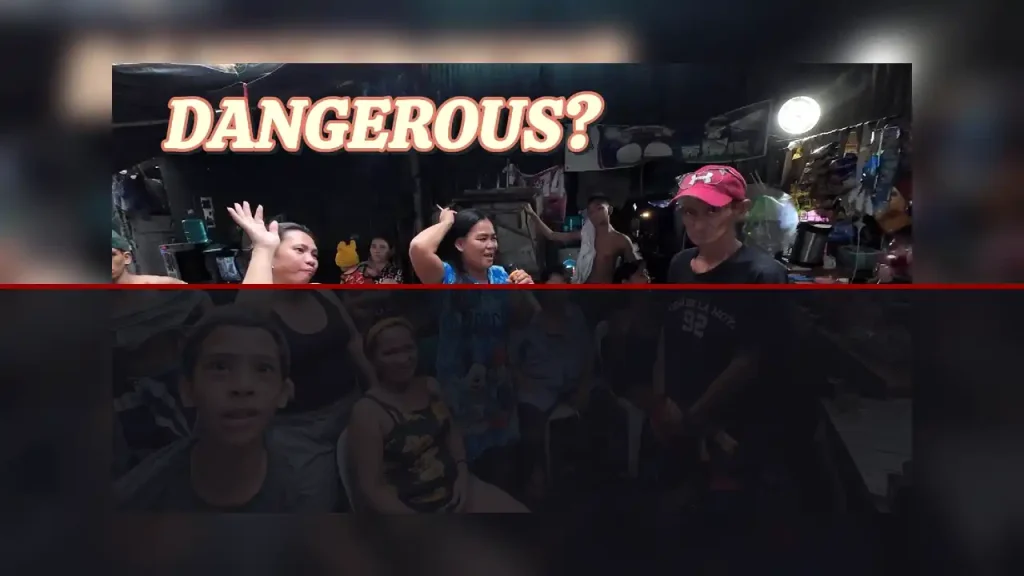
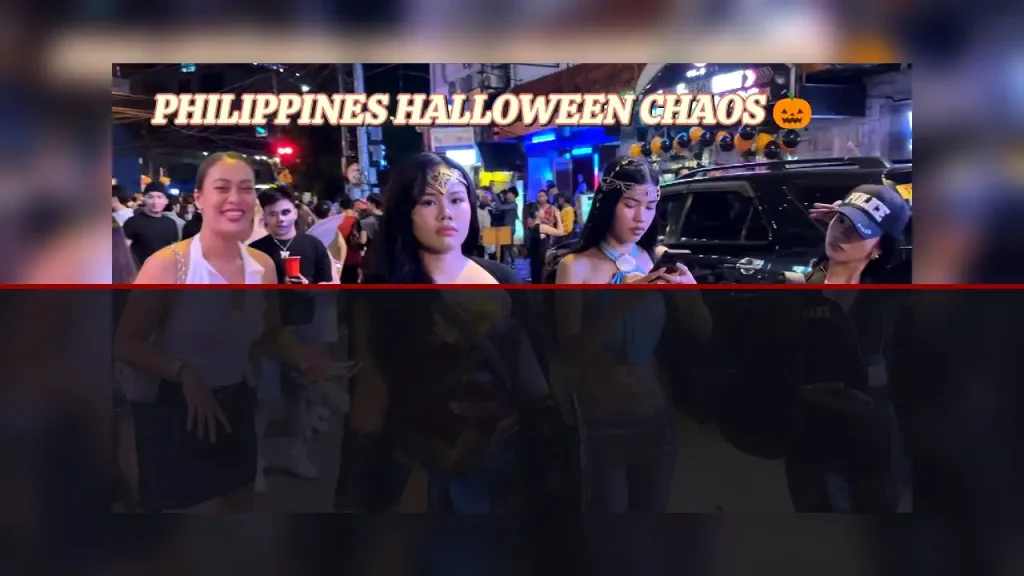
This 4K street footage captures the nocturnal vitality of Quiapo, Manila, highlighting the intricate dance between pedestrian traffic and informal street vendors around Plaza Miranda. The visual audit reveals how lighting conditions, sidewalk encroachments, and public transit hubs shape the area’s evening transit economy. Viewers experience an authentic look into one of Manila’s most historic transit corridors after dark.
Navigating Informal Economies and Pedestrian Pathways
The primary pedestrian corridors radiating from Plaza Miranda, such as Carriedo Street and Hidalgo Street, reveal a fascinating balance between public rights-of-way and informal commercial activity. As retail shops close their metal shutters, sidewalk vendors establish makeshift stalls illuminated by small LED lanterns, hanging bulbs, or car batteries. These micro-establishments sell everything from street food and local remedies to electronics and devotional goods.
From an urban mobility standpoint, this informal arrangement narrows the usable walking space, forcing pedestrian movement into a continuous, fluid ribbon. Walkers seamlessly shift around merchandise displays and lingering shoppers, often spilling over onto the street edges alongside slow-moving jeepneys and tricycles. This spatial negotiation showcases the remarkable adaptability of Manila’s foot traffic, where commuters adjust their speed and trajectory intuitively without structured lane markings or physical barriers.
Illumination Infrastructure and Visual Perception
Nighttime walkability depends heavily on public lighting, and Quiapo offers a compelling case study in organic illumination. Municipal lighting along main arteries provides baseline visibility, but much of the visual character and spatial clarity comes from private lighting interventions. Bright neon signs from fast-food chains, warm glows from street food carts, and the harsh white light of halogen bulbs mounted on commercial facades form a patchwork of light and shadow.
Pedestrians naturally gravitate toward brightly lit nodes, treating well-illuminated vendor clusters as safe, navigable waypoints. Conversely, shadowed side streets and recessed building alcoves experience lower foot traffic speeds as pedestrians exercise heightened spatial awareness. Enhancing civic lighting infrastructure along these secondary alleys would greatly improve total network connectivity, encouraging pedestrians to disperse across alternate routes rather than funneling exclusively down major retail streets.
Architectural Heritage Encounters Modern Transit Networks
The architectural character of Quiapo during night hours emphasizes its layered history. Spanish colonial-era layout patterns meet mid-century commercial structures, all framed by modern overhead transit corridors like the LRT Line 1 at Carriedo Station. The elevated track structure creates a physical ceiling over portions of the street, altering acoustic properties and casting deep geometric shadows that contrast sharply with illuminated open plazas.
At the center of this district sits the Minor Basilica of the Black Nazarene, or Quiapo Church. Its illuminated baroque facade provides an anchor point for the surrounding public square, serving as both a spiritual focus and a geographic marker for nighttime travelers. The plaza acts as an open air transition area where commuters emerging from narrow, crowded side streets can pause, reorient, and connect with various surface transportation options. For more detailed movie reviews and Pinoy indie cinema critiques, visit the Ayosto Film Magazine Hub.
Socio-Spatial Synergy Around Plaza Miranda
Plaza Miranda functions as a multi-use urban living room that remains active long after regular business hours. At night, the square hosts a wide spectrum of public life, including churchgoers, street performers, evening shoppers, and transit riders waiting for public utility vehicles along Quezon Boulevard. The open pavement facilitates diverse social interactions that rarely occur in privatized commercial centers.
Observing pedestrian movement across the plaza highlights the importance of open, flexible public plazas in dense Asian megacities. Without rigid fixed seating or intrusive physical barriers, the space naturally reorganizes itself depending on the hour and crowd volume. During late-night hours, open areas allow for efficient transit transfers while supporting an enduring evening street food culture that sustains night-shift workers and local residents alike.
Urban Planning Priorities for Nocturnal Corridors
Analyzing Quiapo’s nighttime streetscape points directly toward clear opportunities for tactical urban interventions. Implementing uniform high-efficiency LED streetlights, creating clear emergency walking channels amidst vendor zones, and repairing degraded curb ramps would immediately enhance safety for late-night pedestrians. Furthermore, introducing dedicated waste management bins and temporary pedestrianized street hours during peak evening transit periods could elevate the district’s functional capacity while preserving its vibrant public culture.
Frequently Asked Questions
- What makes Quiapo, Manila a primary subject for urban mobility analysis?
Quiapo operates as a crucial multimodal transit node and historic commercial engine where heavy pedestrian volumes continually interact with street vending and urban transit lines. - How do nighttime conditions impact pedestrian circulation in Quiapo?
Evening foot traffic relies heavily on localized spillover lighting from commercial storefronts and vendor carts, creating informal walking corridors along key roads like Carriedo and Hidalgo streets. - What urban design improvements could enhance the night walkability of Manila’s historic districts?
Upgrading public street lighting, establishing dedicated vendor zones, repairing sidewalk pavements, and managing vehicle-pedestrian conflict points would significantly boost safety and transit efficiency.
DISCLAIMER: This article is an independent editorial film critique and educational review based on publicly available trailers and materials from CitiWalk4k. All visual media and trademarks belong to their respective copyright holders. The views and analyses expressed herein are solely for critical commentary, media literacy, and cinematic evaluation under Fair Use guidelines, and do not represent formal statements from authorities or the management of ayosto.com.
About The Author