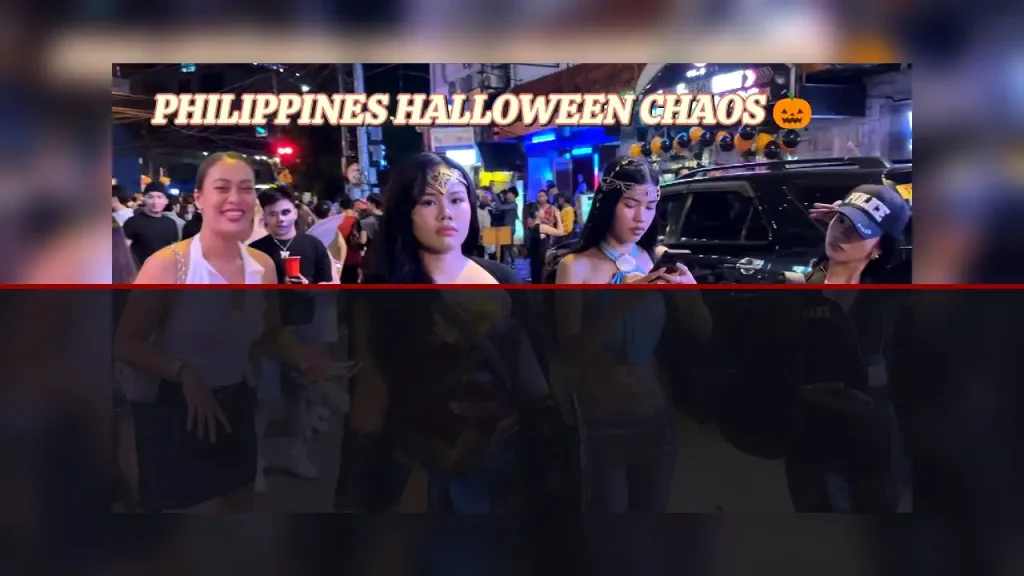
This immersive 4K street documentary captures the nocturnal energy of Makati City’s tucked-away corridors. Through an unedited, steady-cam perspective, the film highlights the intersection of local street food culture, neon-lit alleyways, and modern urban socialization. It offers a raw, atmospheric look at Manila after dark without relying on traditional voiceover commentary.
The Visual Rhythm of Makati After Dark
From the opening frames, the viewer is swept into a distinct visual rhythm. Makati City is often celebrated for its soaring skyscrapers and polished corporate plazas, but this documentary turns its attention to the veins and arteries of the neighborhood—the side streets, alleys, and hidden enclaves where local culture actually breathes. The color palette is dominated by the warm glow of sodium streetlights, the sharp hum of neon signs from local bars, and the headlights of passing jeepneys. These elements combine to create a rich, cinematic atmosphere that feels alive and unpredictable.
The camera moves with a deliberate, steady pace that mimics the natural stride of a curious flâneur. This choice of pacing is crucial. Instead of rushing from one landmark to another, the lens lingers on the transitions. We see the gradual shift from quiet, residential edges to bustling commercial hubs. The high-definition 4K resolution captures the fine details of the environment—the steam rising from street food carts, the reflection of neon lights on damp asphalt, and the fleeting expressions of people winding down after a long day. This attention to environmental detail elevates the piece from a simple vlog to a serious work of urban cinematography.
Cinematography and the Power of Ambient Sound
One of the most striking aspects of this documentary is its commitment to silence—or rather, the absence of a guiding voiceover. In a digital landscape saturated with loud, personality-driven travel content, the decision to let the environment speak for itself is a bold artistic choice. The soundtrack of the film is composed entirely of the city’s natural ambient noise. The sizzle of pork skewers on a charcoal grill, the low murmur of outdoor dining conversations, the occasional bark of a street dog, and the rhythmic hum of motorcycle engines form a complex audio landscape.
This auditory depth works in tandem with the low-light cinematography. Shooting in 4K at night presents significant technical challenges, particularly with noise and exposure. However, the camera handles the high-contrast environments with remarkable clarity. The deep shadows are not merely black voids; they hold texture and movement. Meanwhile, the bright, saturated light sources—like the glowing menus of late-night diners—are rendered without blowing out the frame. This balance keeps the viewer grounded in the physical reality of the space, making the experience feel intensely tactile.
Decoding the Street Dynamics and Social Spaces
As the camera navigates the hidden spots of Makati, it reveals a fascinating social ecosystem. The documentary captures a cross-section of Manila society sharing the same physical space. We see office workers in crisp shirts grabbing a quick bite next to local residents, while international travelers navigate the alleyways looking for tucked-away cocktail bars. This democratic use of street space is a defining feature of Manila’s urban culture.
The film highlights how these hidden spots act as social equalizers. The street food vendors, or ‘hepa-lane’ style setups, serve as vital community hubs. The camera captures the quiet choreography of these stalls—the swift hands of the vendors, the casual exchange of coins, and the communal tables where strangers sit shoulder to shoulder. By focusing on these mundane yet rich interactions, the documentary provides a valuable cultural snapshot. It shows that the true essence of Makati’s nightlife lies not behind the velvet ropes of exclusive clubs, but in these accessible, open-air gathering points.
Immersive Tourism and the Evolution of the Walkthrough Genre
The rise of the ‘walkthrough’ genre on video platforms represents a significant shift in how people consume travel content. Viewers no longer just want curated highlights; they crave authentic spatial experiences. Og_marly’s work sits at the forefront of this movement. By maintaining a neutral, non-intrusive presence, the filmmaker allows the city to present itself on its own terms.
This approach challenges traditional notions of tourism marketing. Instead of sanitizing the urban experience, the film embraces the complexity of the city. The narrow sidewalks, the tangled overhead wires, and the chaotic traffic are not edited out; they are celebrated as integral parts of the metropolitan identity. For global audiences, this offers a window into the genuine spirit of Manila. It invites viewers to experience the city’s warmth, energy, and resilience through a lens that feels incredibly honest and deeply respectful of the local community.
Frequently Asked Questions
- What makes this Makati nightlife documentary unique?
Unlike standard travel vlogs, this film relies entirely on ambient sound and steady 4K cinematography without any narration, allowing viewers to experience the authentic nocturnal pulse of the city. - Where does the walk take place?
The documentary explores the hidden backstreets, alleyways, and street food hubs tucked away in the heart of Makati City, Manila’s premier financial district. - Is this video suitable for all audiences?
Yes, the documentary focuses strictly on street culture, local food dynamics, and urban architecture, presenting an ad-safe and PG-13 look at Manila’s night scene.
DISCLAIMER: This article is an independent editorial film critique and educational review based on publicly available trailers and materials from Og_marly. All visual media and trademarks belong to their respective copyright holders. The views and analyses expressed herein are solely for critical commentary, media literacy, and cinematic evaluation under Fair Use guidelines, and do not represent formal statements from authorities or the management of ayosto.com.
About The Author