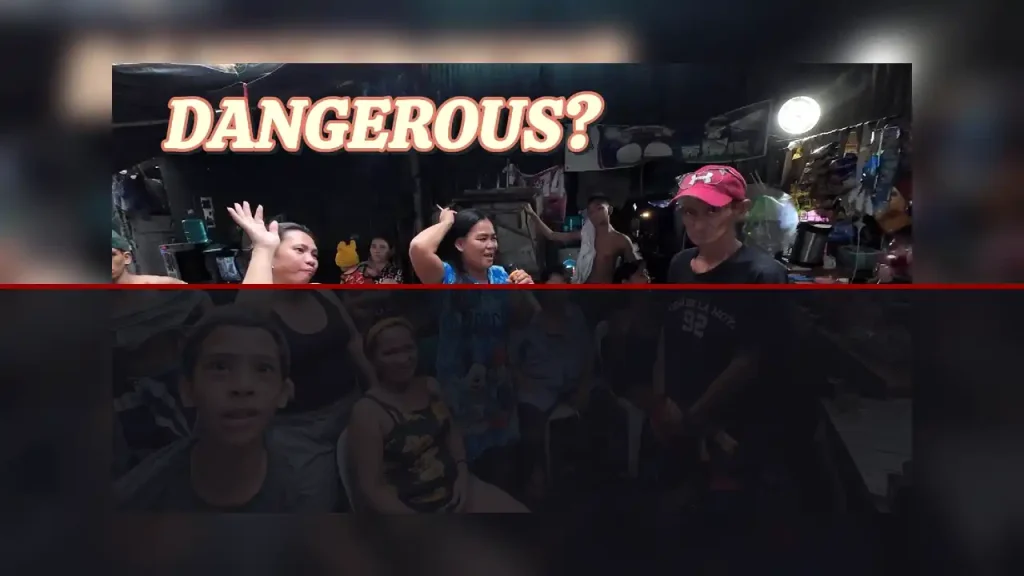
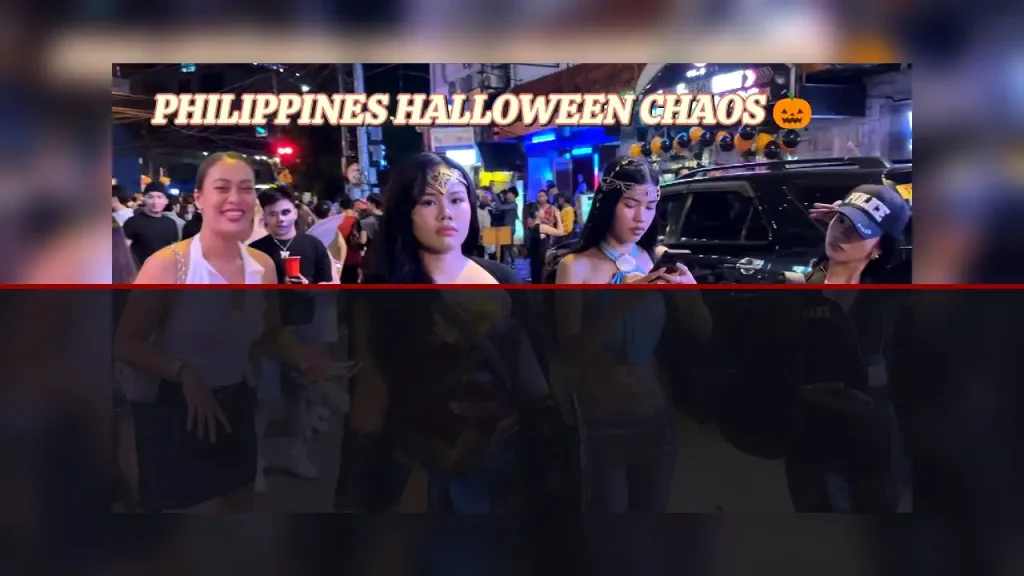
An analytical look at the bustling streetscapes of Avenida and Recto Avenue in Manila through a high-definition walking tour. This exploration examines pedestrian dynamics, local commerce, and historic urban infrastructure in a densely populated metropolitan corridor.
Urban Mobility and Pedestrian Infrastructure
Navigating the intersection of Avenida and Recto Avenue reveals the intense velocity of daily commuters moving through the historic core of Manila. The pedestrian infrastructure here functions as a high-capacity circulatory system, managing thousands of foot travelers daily. Sidewalks transition rapidly from wide concrete paths to narrow corridors congested by informal commerce, requiring a constant adjustment of pace from walkers. Urban planners designed these thoroughfares to connect major transit hubs, resulting in a continuous wave of pedestrian activity that dictates the rhythm of the district.
Streetscape Architecture and Commercial Density
The architectural landscape along this route showcases a fascinating juxtaposition of historical civic buildings and mid-century commercial structures. Many storefronts feature weathered facades that speak to decades of economic activity, housing everything from small electronics stalls to traditional textile merchants. The density of signage and overhead structures creates a canyon-like urban microclimate, offering partial shade against the tropical sun while intensifying the ambient noise of the street. This environment reflects how historical commercial districts adapt to modern retail demands without undergoing massive structural overhauls.
Pedestrian Dynamics and Public Space Utilization
Observing the crowd movement on Recto Avenue highlights the adaptability of urban inhabitants navigating high-density environments. Commuters weave through transit queues, street vendors, and architectural bottlenecks with practiced efficiency. The street functions not merely as a transit corridor, but as a vibrant social marketplace where public space is actively negotiated by various stakeholders. Understanding these micro-interactions offers valuable insights into how pedestrians claim and share limited physical space in densely populated Southeast Asian metropolises. For more detailed movie reviews, celebrity spotlights, and Pinoy indie cinema breakdowns, visit the Ayosto Film Magazine Hub.
Local Community Context and Economic Vitality
The socioeconomic pulse of Manila is vividly displayed along this specific walking route, where formal and informal economies intersect seamlessly. Small vendors, public transport operators, and daily shoppers contribute to a continuous cycle of local commerce that sustains the neighborhood’s vitality. This area serves as a primary economic engine for small-scale entrepreneurs who rely heavily on high pedestrian foot traffic. Documenting these streetscapes provides a realistic window into the daily realities of urban life, highlighting the resilience and adaptability of local communities within a complex metropolitan setting.
Frequently Asked Questions
- What makes the Avenida-Recto route unique for pedestrians?
The route combines heavy commuter foot traffic with intense commercial activity, creating a dynamic urban corridor that showcases high-density pedestrian mobility. - How do walkers navigate the crowded sidewalks of Recto Avenue?
Pedestrians constantly adjust their pace and path to bypass transit queues, street vendors, and architectural bottlenecks, demonstrating high adaptability in dense spaces. - What kind of architecture is visible along this walking tour?
The streetscape features a mix of historic civic buildings and weathered mid-century commercial structures housing diverse retail stalls.
DISCLAIMER: This article is an independent editorial film critique and educational review based on publicly available trailers and materials from CitiWalk4k. All visual media and trademarks belong to their respective copyright holders. The views and analyses expressed herein are solely for critical commentary, media literacy, and cinematic evaluation under Fair Use guidelines, and do not represent formal statements from authorities or the management of ayosto.com.
About The Author