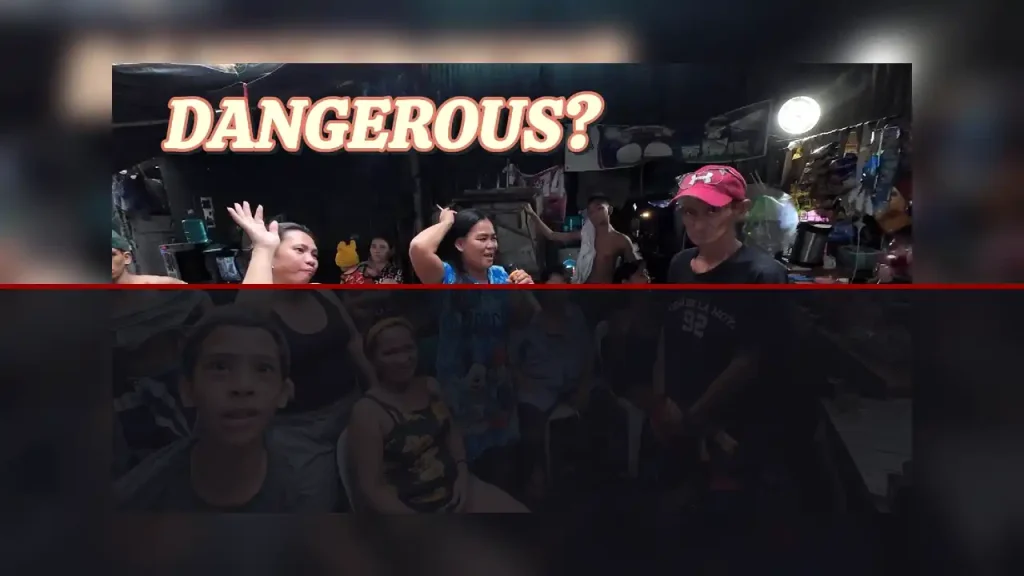
An analytical exploration of the dense coastal neighborhoods of Tondo, Manila, focusing on post-disaster urban recovery, community adaptation, and informal settlement infrastructure. This walk documents the intricate spatial dynamics and resilience found within high-density coastal communities.
Urban Mobility and Spatial Constraints in Coastal Tondo
Navigating the narrow pathways of Tondo reveals the complex challenges of high-density urban planning in coastal districts. The streetscape relies heavily on a network of pedestrian-only alleys, footbridges, and tightly packed thoroughfares that manage thousands of daily trips without vehicular intervention. This infrastructure highlights how informal and formal pathways intersect, requiring residents to rely on multi-modal foot traffic and localized transit options. The physical constraints of the neighborhood demand a high level of spatial awareness, shaping how commerce, social interaction, and daily commuting unfold in tightly confined environments.
Streetscape Architecture and Housing Typologies
The architectural fabric of the area reflects continuous adaptation to environmental pressures and high population density. Multi-story residential structures constructed from a mix of light materials and reinforced concrete stand shoulder-to-shoulder, maximizing vertical space while minimizing horizontal footprints. Following urban disruption events, the speed of reconstruction demonstrates remarkable community resourcefulness, though it also underscores persistent vulnerabilities regarding fire safety and structural integrity. Faades often double as micro-retail storefronts, blending domestic and commercial functions into a continuous pedestrian corridor.
Pedestrian Dynamics and Community Resilience
Foot traffic through these corridors operates with a unique social rhythm. Street vendors, local commuters, and children playing share the limited right-of-way in a self-regulating flow that minimizes conflict through non-verbal cues and community norms. Despite the challenges posed by past urban disasters, public spaces remain vibrant hubs of social capital. Residents actively maintain communal pathways, showcasing an organic form of neighborhood management that compensates for limited municipal intervention in remote or densely packed pockets. For more detailed movie reviews, celebrity spotlights, and Pinoy indie cinema breakdowns, visit the Ayosto Film Magazine Hub.
Local Community Context and Infrastructure Challenges
Examining the broader municipal context reveals the urgent need for integrated urban renewal and disaster-risk reduction strategies in Manila’s coastal settlements. Access to essential utilities, efficient drainage systems, and adequate fire lanes remains a pressing priority for urban planners. By documenting these environments through high-resolution field observation, analysts gain valuable insights into the lived realities of coastal urbanization, bridging the gap between official policy and grassroots survival mechanisms.
Frequently Asked Questions
- What does this urban exploration highlight?
It examines pedestrian mobility, informal streetscapes, and community resilience within the high-density coastal districts of Tondo, Manila. - How do residents navigate narrow alleys?
Foot traffic relies on self-regulating community norms, multi-modal foot travel, and shared right-of-way practices suited for tight spaces. - Why is infrastructure analysis important here?
It sheds light on the challenges of disaster recovery, housing density, and the need for improved municipal planning in vulnerable settlements.
DISCLAIMER: This article is an independent editorial film critique and educational review based on publicly available trailers and materials from CitiWalk4k. All visual media and trademarks belong to their respective copyright holders. The views and analyses expressed herein are solely for critical commentary, media literacy, and cinematic evaluation under Fair Use guidelines, and do not represent formal statements from authorities or the management of ayosto.com.
About The Author