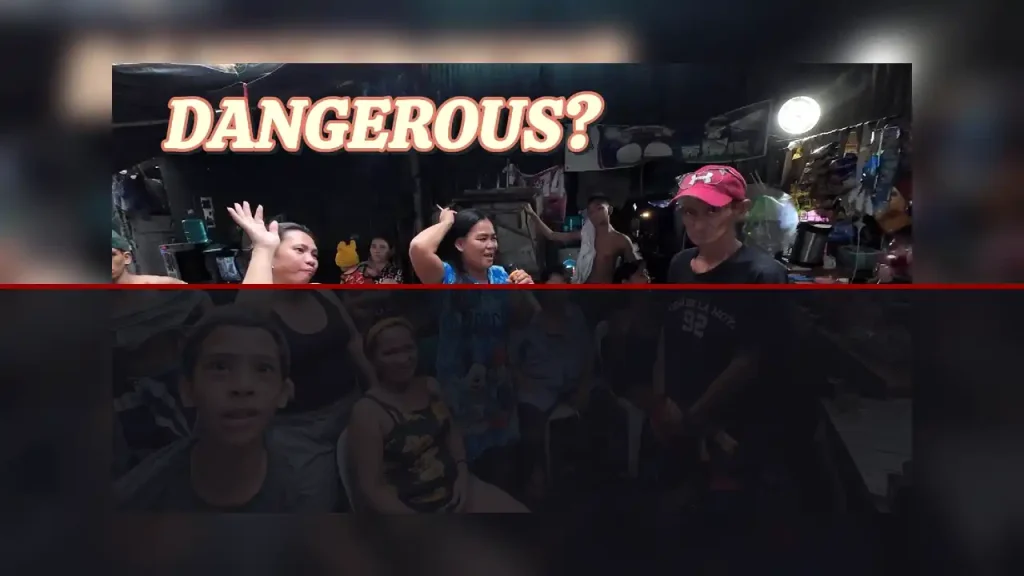
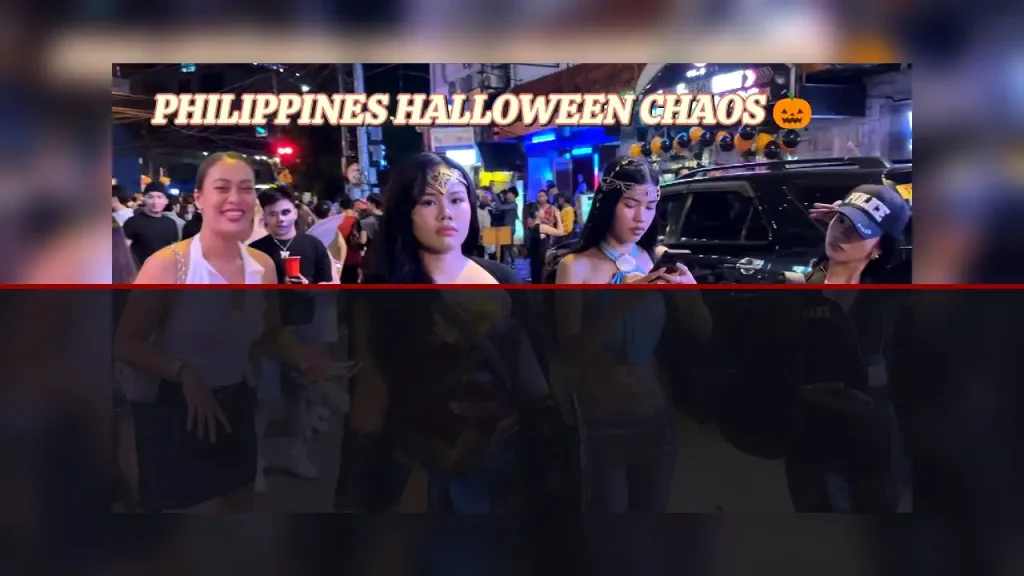
This urban documentary vlog by Og_marly captures the kinetic energy and nocturnal rhythm of one of Metro Manila’s busiest transit hubs. Through a raw, observational lens, the creator navigates the neon-lit corridors, street vendors, and constant flow of commuters that define Pasay City after dark. The result is a compelling visual study of modern metropolitan survival and nocturnal community life.
The Kinetic Rhythm of the Transit Hub
Rotonda EDSA in Pasay City represents the beating heart of Metro Manila’s commuter culture. In this nocturnal exploration, filmmaker Og_marly captures a space defined by perpetual motion. The intersection of major transit lines, highway overpasses, and pedestrian walkways creates a complex web of human activity that rarely slows down, even past midnight. By choosing this location, the creator highlights a critical artery of the metropolis where the working class, travelers, and street merchants meet.
The visual narrative starts with the overwhelming presence of public utility vehicles. Jeepneys with custom LED displays and roaring engines dominate the frame, casting colorful reflections on the wet asphalt. The camera tracks these vehicles as they load and unload passengers, showcasing the organized chaos that keeps the city moving. This is not just a transit point; it is a living ecosystem. The constant hum of diesel engines, the calling of transit barkers, and the chatter of late-night commuters form a rich auditory backdrop that enhances the visual immersion.
The overhead structures of the LRT and MRT lines loom large in the frame, creating a sense of verticality that defines modern Manila’s architecture. These concrete columns and steel tracks frame the sky, blocking out the stars but reflecting the neon glow from the commercial establishments below. This vertical layering adds depth to the compositions, making the streets feel cozy yet monumental. The camera frequently tilts upward to capture this architectural density, reminding viewers of the massive infrastructure supporting the thousands of daily commuters.
Low-Light Cinematography and Street Level Perspective
Technically, the video excels in its handling of challenging low-light environments. Instead of relying on artificial studio lighting, the documentary makes brilliant use of ambient city glow. The harsh, warm light of street-side food stalls contrasts sharply with the cool, blue-white glare of modern convenience stores and overhead highway lamps. This high-contrast palette gives the footage a distinct cinematic quality, reminiscent of classic street photography.
The camera movement is deliberate and steady, avoiding the disorienting shake often associated with amateur vlogs. By maintaining an eye-level perspective, the viewer feels like an active participant in the walk rather than a detached observer. This choice of framing respects the subjects, capturing their daily routines without intruding upon their personal space. The camera glides past stalls selling quick bites, balut, and cold drinks, capturing the rising steam and sizzling pans in vivid detail. This attention to sensory elements transforms a simple walk into a rich sensory document.
Furthermore, the rain-slicked streets play a crucial role in the visual aesthetic. Puddles on the uneven pavement act as mirrors, doubling the neon signs of fast-food chains and local pharmacies. This reflection of light softens the harsh concrete environment, adding a layer of visual poetry to an otherwise gritty landscape. The filmmaker’s patience in waiting for these visual compositions to align shows a keen eye for cinematic storytelling.
The Micro-Economies of the Night
As the walk continues, the focus shifts to the resilient micro-economies that thrive along the sidewalks of Pasay. When the formal retail spaces close, the informal night market comes alive. The documentary captures vendors selling everything from phone accessories to quick street meals. These interactions are framed not as novelties, but as vital survival strategies and community pillars.
The film reveals the social dynamics of the street. We see brief, meaningful interactions between vendors and tired commuters seeking a quick meal before a long journey home. There is a sense of mutual reliance here; the vendors provide affordable sustenance, while the commuters keep the street economy alive. The filmmaker’s lens remains objective yet empathetic, documenting the dignity of labor in a demanding urban landscape. By focusing on these quiet moments of transaction and connection, the vlog offers a profound look at the social fabric of Manila after hours.
The sensory details are further enriched by the depiction of local culinary culture. The steam rising from large metal pots of boiling peanuts and sweet corn provides a soft visual texture against the hard metal of passing buses. The warm lighting of these food carts acts as a visual anchor, drawing both the physical commuter and the viewer’s eye to these small pockets of warmth and community. These food spots function as informal town squares where people pause, gather, and share a brief moment of respite before continuing their journeys.
Cultural Context and Modern Urbanism
To truly appreciate this visual tour, one must understand Pasay City’s role as a gateway. Positioned near major airports, bus terminals, and commercial districts, Rotonda EDSA is a melting pot of regional travelers and urban residents. The documentary serves as an important archive of this specific moment in Manila’s urban evolution. As modernization projects threaten to reshape these historic transit hubs, capturing their current state becomes essential for cultural preservation.
Og_marly’s work stands out because it avoids the polished, sanitized tourism narratives often promoted online. Instead, it embraces the raw, energetic, and sometimes chaotic reality of the city. This approach offers a more authentic representation of Philippine urban life, one that resonates deeply with both locals who recognize these streets and global audiences curious about real-world metropolitan dynamics. It is a masterclass in how street-level videography can elevate a simple walk into a compelling cultural document, celebrating the endurance and vibrant spirit of the city’s nocturnal population.
Ultimately, this documentary highlights the importance of public spaces in fostering community connection. In a rapidly privatizing urban landscape, the sidewalks of Rotonda EDSA remain democratic zones where anyone can participate in the life of the city. Og_marly captures this democratic spirit with precision and respect, offering an invaluable perspective on how communities adapt, survive, and thrive in the margins of a bustling metropolis. It is an essential watch for anyone interested in the intersection of visual media, urban design, and human geography.
Frequently Asked Questions
- What is the primary focus of the Rotonda Edsa Pasay City urban documentary?
The video focuses on the vibrant nightlife, transit hubs, and street-level micro-economies of Pasay City, capturing the kinetic energy of commuters and local vendors after dark. - How does the filmmaker capture the low-light environment of Manila at night?
The filmmaker utilizes ambient city lighting, such as neon signs, vehicle headlights, and street food carts, to create a high-contrast, cinematic visual experience without artificial studio lights. - Why is Rotonda EDSA considered a significant location for an urban study?
Rotonda EDSA is a major transportation hub in Metro Manila where rail lines, highways, and pedestrian pathways intersect, making it a rich cultural melting pot and a vital center for working-class night economies.
DISCLAIMER: This article is an independent editorial film critique and educational review based on publicly available trailers and materials from Og_marly. All visual media and trademarks belong to their respective copyright holders. The views and analyses expressed herein are solely for critical commentary, media literacy, and cinematic evaluation under Fair Use guidelines, and do not represent formal statements from authorities or the management of ayosto.com.
About The Author