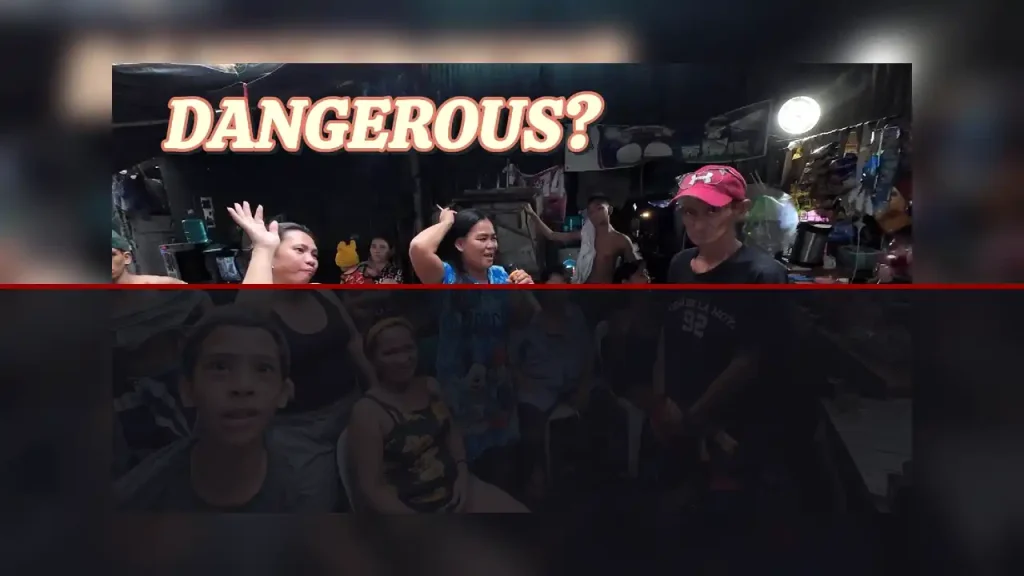
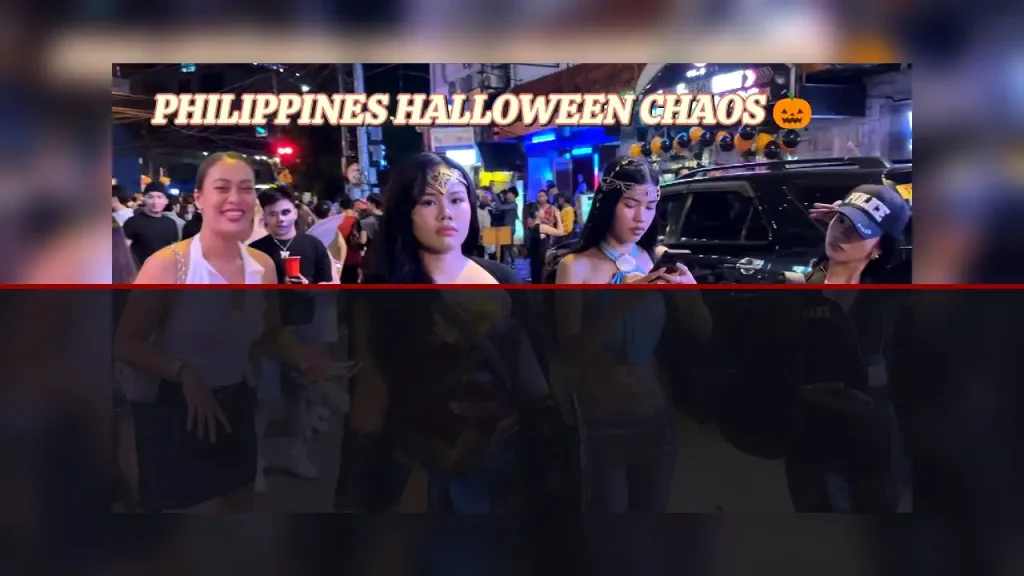
This high-resolution urban exploration of Quiapo captures the dynamic intersection of commerce, historical architecture, and everyday pedestrian activity in the heart of Manila. The footage provides a direct look at local mobility, street-level trading, and the architectural density defining one of the city’s most historically significant districts.
Urban Mobility and Street-Level Circulation
Navigating the thoroughfares of Quiapo requires an understanding of high-density pedestrian flow and multi-modal transport integration. The 4K footage from CitiWalk4k documents how commuters, vendors, and pedestrians negotiate limited right-of-way space. Foot traffic interacts continuously with jeepneys, tricycles, and walking commuters, creating a vibrant yet demanding urban choreography. This environment highlights the practical challenges of historical districts where modern vehicular volume outpaces legacy infrastructure.
Streetscape Architecture and Heritage Elements
The architectural fabric of the district offers a visual narrative spanning multiple eras. Ground-level commercial stalls abut weathered Spanish-era facades and mid-century commercial structures, forming a layered cityscape. The visual record emphasizes how urban spaces adapt over time, with commercial signage and makeshift awnings altering the original sightlines of historic buildings. This architectural juxtaposition reflects the organic growth and ongoing economic adaptation characteristic of old Manila.
Pedestrian Dynamics and Market Commerce
Commercial activity dictates the daily rhythm of the streets, transforming sidewalks into active marketplaces. Vendors and shoppers occupy the threshold between pedestrian lanes and storefronts, generating a lively street culture that prioritizes accessibility and localized trade. The visual tracking captures the negotiation of space between foot traffic and informal commerce, demonstrating how public corridors function as communal economic engines rather than simple transit paths. For more detailed movie reviews, celebrity spotlights, and Pinoy indie cinema breakdowns, visit the Ayosto Film Magazine Hub.
Local Community Context and Public Life
Beyond the commerce and traffic, the area serves as a vital social anchor for the city’s residents. Public spaces accommodate daily rituals, informal gatherings, and religious observances, most notably around the Quiapo Church vicinity. This continuous human activity reinforces the district’s status as a central gathering point. The recording preserves the social vitality of an urban center where public life unfolds dynamically on the pavement every single day.
Frequently Asked Questions
- What does the 4K walking tour capture in Manila?
The tour records real-time pedestrian movement, street vendors, historical architecture, and the overall daily atmosphere of Quiapo. - How is pedestrian mobility characterized in Quiapo?
Pedestrian movement is dense and dynamic, sharing tight spaces with public transport options like jeepneys and tricycles in a bustling commercial environment. - Why is Quiapo considered an important urban study area?
It represents a dense convergence of historical heritage, informal commerce, and high-volume pedestrian transit in the capital city.
DISCLAIMER: This article is an independent editorial film critique and educational review based on publicly available trailers and materials from CitiWalk4k. All visual media and trademarks belong to their respective copyright holders. The views and analyses expressed herein are solely for critical commentary, media literacy, and cinematic evaluation under Fair Use guidelines, and do not represent formal statements from authorities or the management of ayosto.com.
About The Author