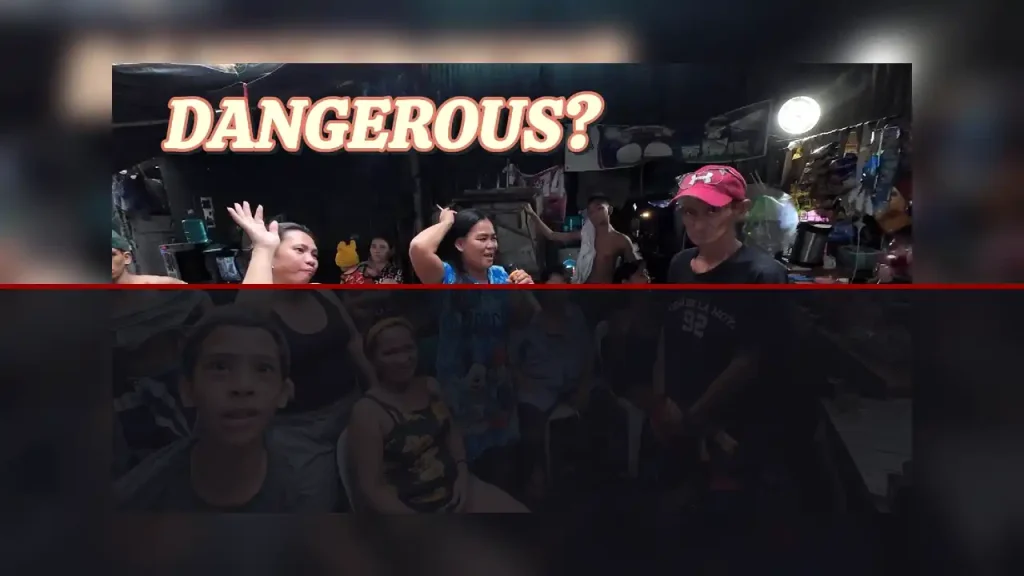
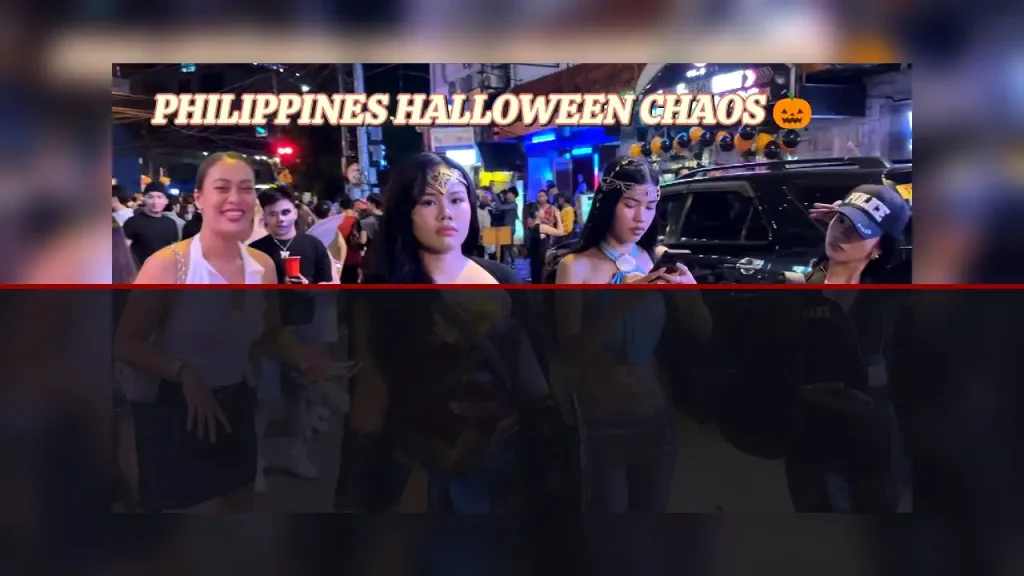
An immersive exploration of Edsa Rotonda in Pasay City, documenting the high-energy pedestrian traffic, transit intersections, and chaotic commercial activity that define this major Metro Manila crossroads. This 4K walking tour provides a raw, unfiltered look at daily urban mobility and street-level commerce in the Philippines.
Navigating the Complex Urban Ecosystem of Edsa Rotonda
Edsa Rotonda in Pasay City stands as one of the most intense and heavily trafficked transit nodes in the entire Metro Manila region. A true melting pot of commuters, vendors, and public utility vehicles, this intersection serves as a vital artery connecting major rail lines, bus routes, and jeepney terminals. Observing the footage supplied by CitiWalk4k reveals a staggering scale of human movement. Thousands of pedestrians weave daily through a dense web of concrete overpasses, bustling commercial stalls, and shifting lanes of traffic, creating a pulsating rhythm unique to this part of the Philippines.
Urban geographers often look at spaces like Edsa Rotonda to understand how informal commerce coexists with rigid transportation infrastructure. Street vendors occupy the narrow margins between foot traffic and vehicular paths, establishing a vibrant micro-economy that caters directly to the constant stream of transient workers. This localized commerce transforms sidewalks into active marketplaces, forcing pedestrians to constantly negotiate their path through spontaneous retail displays, waiting passengers, and ticketing queues.
Streetscape Architecture and Transit Integration
The built environment surrounding Edsa Rotonda is heavily defined by utilitarian infrastructure. Elevated rail stations loom over the multi-layered roadways, casting long shadows on the bustling concourses below. Architectural elements in this zone prioritize capacity over aesthetics, featuring concrete footbridges, steel support beams, and sprawling commercial outcroppings. These structures form a layered vertical landscape where pedestrians move between street level, elevated concourses, and platform stations.
Pedestrian infrastructure here faces immense pressure. The sheer volume of commuters strains the capacity of sidewalks and stairwells, highlighting the challenges of urban planning in rapidly growing Southeast Asian megacities. Despite the congestion, the physical layout manages to facilitate a massive transfer of human traffic between disparate transit modes. Bus stops, jeepney bays, and train entrances merge into a continuous, flowing corridor that demands constant adaptation from daily commuters.
Pedestrian Dynamics and Public Pace
Walking through Edsa Rotonda requires a high degree of situational awareness. The pedestrian culture here is fast-paced, purposeful, and deeply pragmatic. Commuters move with a practiced efficiency, dodging obstacles, crossing multi-lane avenues amidst moving traffic, and coordinating rapid transfers between transit lines. This environment challenges conventional Western notions of pedestrian safety and comfort, replacing them with a hyper-dense, cooperative flow where eye contact and physical cues regulate the shared space. For more detailed movie reviews, celebrity spotlights, and Pinoy indie cinema breakdowns, visit the Ayosto Film Magazine Hub.
The auditory landscape captured in the 4K exploration adds another layer to this pedestrian analysis. A cacophony of engines revving, conductors calling out destinations, and the low hum of endless foot traffic forms the ambient soundtrack of Pasay City. This sensory overload contributes to the distinct character of the location, where every square meter is utilized for transit, commerce, or communication.
Local Community Context and Everyday Mobility
Beyond its function as a transport interchange, Edsa Rotonda represents a crucial slice of working-class daily life in Metro Manila. The individuals moving through these corridors are largely wage earners, students, and independent merchants making their way across the metropolis. Their daily journeys highlight the resilience and adaptability required to navigate complex urban transit networks. By documenting these unvarnished street scenes, viewers gain a clearer appreciation of the socio-economic forces driving pedestrian mobility in the Philippines, showcasing a community in constant, purposeful motion.
Frequently Asked Questions
- What is the primary focus of the Edsa Rotonda Pasay City Walking Tour?
The tour documents the high-density pedestrian traffic, transit intersections, and vibrant street-level commerce surrounding one of Metro Manila’s busiest transport hubs. - How is pedestrian infrastructure characterized in Edsa Rotonda?
The area features utilitarian architecture, including elevated rail stations, concrete footbridges, and multi-layered roadways designed to handle massive daily commuter volumes. - What makes the pedestrian culture distinct in this Pasay City location?
Pedestrians navigate a fast-paced, hyper-dense environment that requires constant situational awareness, sharp adaptation, and efficient movement between various modes of public transit.
DISCLAIMER: This article is an independent editorial film critique and educational review based on publicly available trailers and materials from CitiWalk4k. All visual media and trademarks belong to their respective copyright holders. The views and analyses expressed herein are solely for critical commentary, media literacy, and cinematic evaluation under Fair Use guidelines, and do not represent formal statements from authorities or the management of ayosto.com.
About The Author