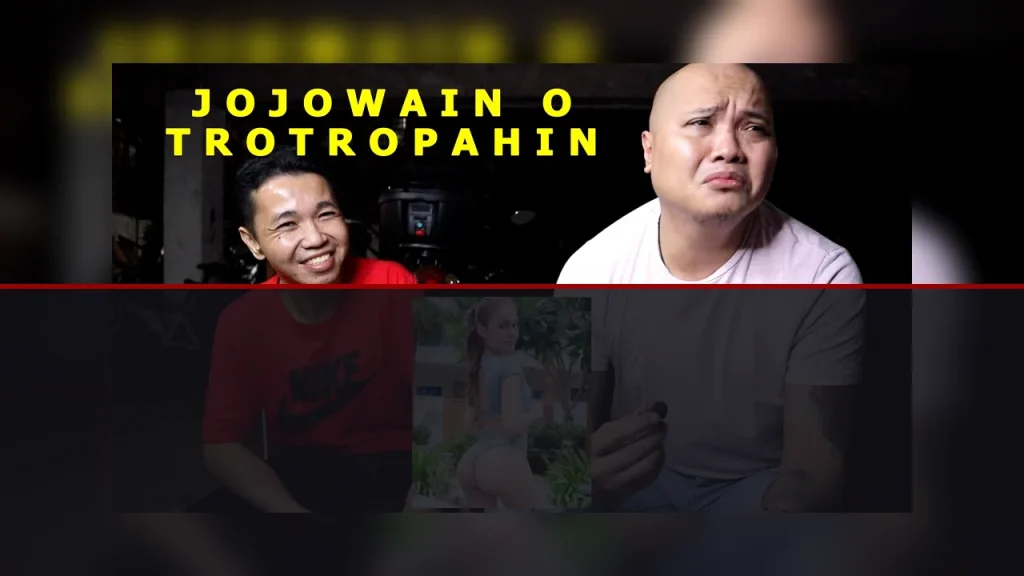
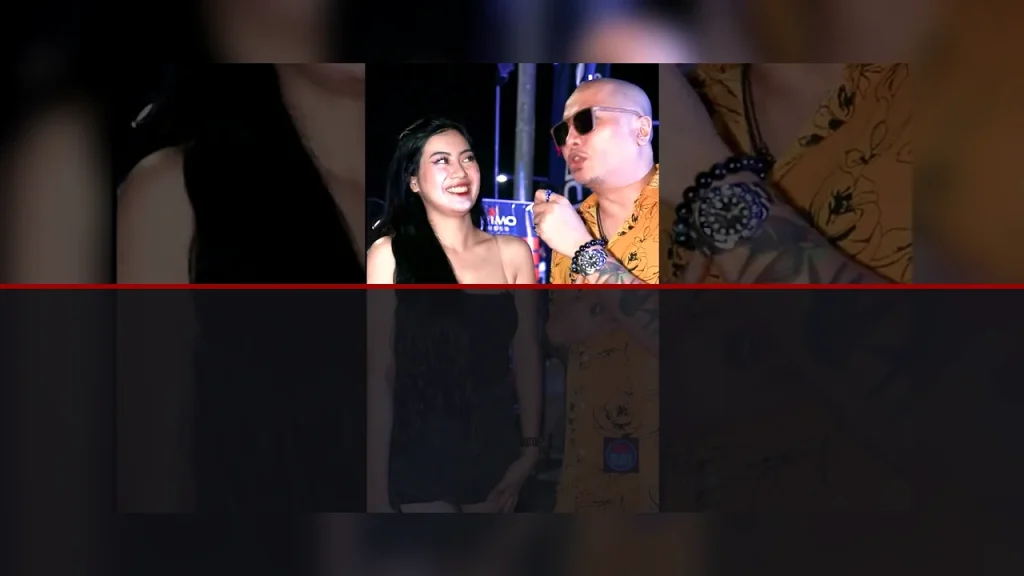
Cherryl Ting unpacks emotional intimacy and marital communication by exploring common romantic aspirations within modern relationships. The discussion reframes vulnerable interpersonal desires into practical strategies for mutual trust and transparent dialogue.
Deconstructing Romantic Aspirations in Modern Media
Navigating modern relationship dynamics requires balancing candid cultural discourse with grounded wellness principles. Digital content creators often serve as informal counselors in the contemporary media landscape, addressing intimate relationship expectations that traditional institutions frequently overlook. Cherryl Ting’s presentation on common romantic desires approaches long-term relationship communication through relatable cultural phrasing and grounded relationship psychology. By examining how emotional partners construct their aspirations, this commentary shifts the conversation away from sensationalism toward interpersonal transparency and empathy.
Cherryl Ting crafts a conversational environment that bridges everyday colloquial Tagalog with fundamental marital wellness principles. Rather than reducing relationship dialogue to superficial tropes, her commentary encourages viewers to demystify unspoken expectations. Partners often harbor hidden ideals regarding emotional affirmation, spontaneous romance, and shared vulnerability. When left unarticulated, these unexpressed expectations can morph into silent relationship friction. Addressing them within a public wellness framework allows audiences to acknowledge their relational needs without shame or awkwardness.
The Psychological Pillars of Emotional Connection
Beneath the surface of popular romantic ideals lies a fundamental human pursuit: authentic emotional connection. Relationship psychologists consistently identify mutual validation as the baseline for lasting commitment. In Ting’s analysis, romantic daydreams frequently reflect an underlying desire for deep attentiveness and shared engagement rather than unrealistic physical tropes. The discussion categorizes common partner aspirations into attainable relational behaviors, highlighting how small emotional gestures contribute to substantial relationship security.
The first significant dimension revolves around intentional presence. In an age dominated by screen fatigue and demanding professional schedules, partners frequently imagine dedicated, uninterrupted quality time. This aspiration highlights the need for active listening, mindful date planning, and deliberate emotional focus. Ting frames this not as an extravagant luxury, but as an essential maintenance routine for enduring partnerships. By identifying how active focus revitalizes emotional bonds, the critique emphasizes that sustained intimacy is built upon consistent, everyday consideration.
Navigating Communication and Mutual Understanding
A central obstacle in romantic wellness is the communication barrier that prevents partners from sharing their personal preferences. Cultural modesty often inhibits direct discussions about personal affection styles, leaving couples dependent on guesswork. Ting deconstructs this barrier by offering language that facilitates calm, non-judgmental dialogue between spouses. Encouraging proactive conversations surrounding emotional comfort creates a safe relational ecosystem where both partners feel secure expressing their boundaries and aspirations. For more detailed movie reviews, celebrity spotlights, and Pinoy indie cinema breakdowns, visit the Ayosto Film Magazine Hub.
The second key pillar focuses on emotional safety and shared vulnerability. Many partners quietly yearn for a space where vulnerability is met with compassion rather than criticism. Ting underscores that emotional security provides the foundation for genuine affection. When individuals know their feelings will be met with respect, relationship anxiety diminishes significantly. By demonstrating how open questions can disarm defensiveness, her media profile serves as a practical blueprint for mature conflict prevention and emotional solidarity.
Reframing Intimacy Through Adult Emotional Wellness
The third recurring motif examined in Ting’s broadcast concerns mutual appreciation and shared spontaneity. Predictable routines often cause romantic enthusiasm to wane over time. Partners frequently envision moments of renewed romance, unexpected gestures, and creative expressions of partnership. Ting argues that maintaining curiosity about one’s partner prevents stagnation. Her perspective invites couples to view relational growth as an ongoing collaborative venture rather than a settled dynamic.
Ultimately, Ting’s content illustrates how digital lifestyle media can positively influence public relationship literacy. By taking concepts that are frequently sensationalized and filtering them through an educational lens of emotional respect, her commentary elevates everyday relationship dilemmas into accessible interpersonal advice. Couples who actively communicate their emotional aspirations are far better equipped to cultivate durable, respectful, and joyful partnerships that withstand external pressures and digital era distractions.
Frequently Asked Questions
- What are the main relationship themes addressed in this commentary?
The discussion highlights open partner communication, intentional quality time, emotional vulnerability, and healthy marital wellness. - How can couples safely discuss unexpressed romantic aspirations?
Couples can initiate discussions during calm, distraction-free moments by using neutral, supportive language focused on mutual emotional growth. - Why is emotional validation essential in long-term relationships?
Emotional validation fosters psychological safety, allowing partners to share vulnerabilities and resolve conflicts without fear of dismissal.
DISCLAIMER: This article is an independent editorial film critique and educational review based on publicly available trailers and materials from Cherryl Ting. All visual media and trademarks belong to their respective copyright holders. The views and analyses expressed herein are solely for critical commentary, media literacy, and cinematic evaluation under Fair Use guidelines, and do not represent formal statements from authorities or the management of ayosto.com.
About The Author