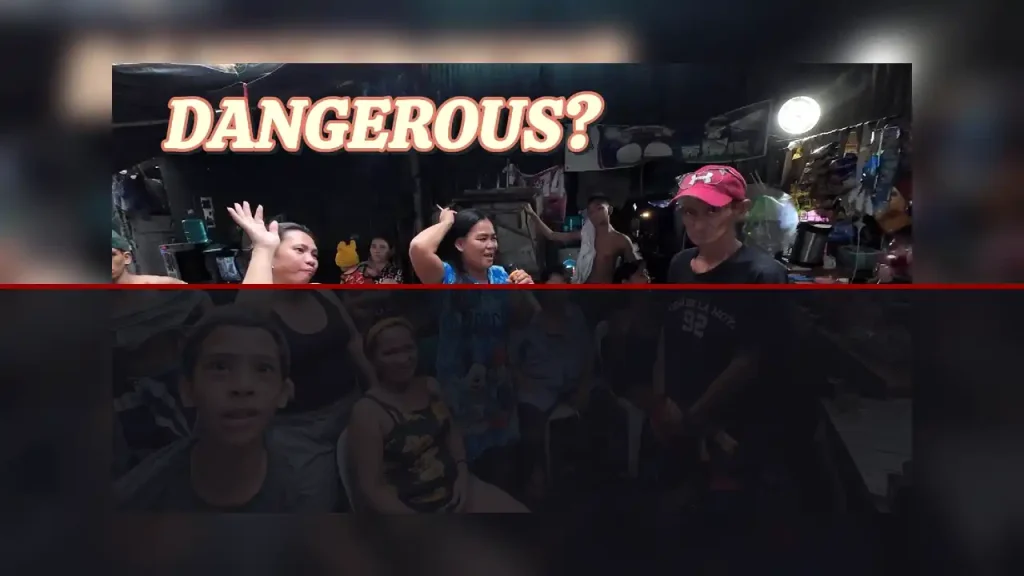
An intensive pedestrian exploration documenting the intricate streetscapes and dense neighborhood architecture of Bacoor, Cavite City through a high-resolution urban lens. This analysis examines local mobility patterns, informal community housing layouts, and everyday pedestrian dynamics in high-density Philippine environments.
Urban Mobility and Informal Street Networks
Navigating the densely packed neighborhoods of Bacoor, Cavite City offers a compelling study in informal urban planning and localized mobility. Without the rigid grid systems found in planned commercial districts, these communities rely on an organic network of narrow pathways, alleyways, and pedestrian bridges. CitiWalk4k captures the unvarnished reality of how residents move through spaces where vehicular access is heavily restricted or entirely absent. Walking these routes requires an acute awareness of human traffic flow, where pedestrians, localized delivery carts, and neighborhood life share the same finite physical footprint. The spatial compression forces a high degree of social interaction, turning everyday commuting into a communal experience.
Streetscape Architecture and Community Density
The architectural fabric of Bacoor Cavite City is characterized by rapid adaptation, vertical extension, and high-density residential infill. Buildings are constructed in close proximity, creating narrow street canyons that naturally shade pathways from direct tropical sunlight while shaping distinctive wind corridors. This section of the city showcases how communities maximize limited land areas through multi-story residential construction using corrugated metal, concrete, and lightweight framing. The resulting urban texture reflects economic resilience and creative spatial management, where every square meter serves multiple functions for commerce, storage, and social gathering.
Pedestrian Dynamics and Local Commerce
Street-level commerce plays a vital role in animating the pedestrian corridors of Bacoor. Small sari-sari stores, makeshift food stalls, and mobile vendors line the primary walking paths, effectively turning pathways into bustling commercial arteries. The visual analysis of this 4K footage highlights how pedestrian movement slows down organically around these localized economic hubs. People do not merely walk through these spaces; they negotiate boundaries, pause for brief conversations, and engage in daily commerce. This micro-economy thrives entirely on foot traffic, proving that pedestrian infrastructure is the primary engine of neighborhood vitality in this part of Cavite City. For more detailed movie reviews, celebrity spotlights, and Pinoy indie cinema breakdowns, visit the Ayosto Film Magazine Hub.
Local Community Context and Infrastructure Challenges
Examining Bacoor, Cavite City through an urban planning lens reveals distinct infrastructure challenges typical of rapidly urbanizing fringe cities. Drainage systems, pathway maintenance, and waste management are constantly tested by high population density and seasonal weather patterns. Yet, the footage demonstrates strong community maintenance efforts, with residents actively sweeping paths, improvising drainage solutions, and maintaining communal boundaries. This localized stewardship highlights a strong sense of place and ownership among residents, contrasting sharply with top-down municipal planning approaches and emphasizing the importance of grassroots urban resilience.
Frequently Asked Questions
- What location does this walking tour feature?
This tour explores the dense residential neighborhoods and pathways of Bacoor, Cavite City in the Philippines. - What urban planning aspects are highlighted in the video?
The footage focuses on informal settlement layouts, narrow pedestrian alleyways, micro-commerce, and high-density residential architecture. - How is pedestrian mobility handled in these tight spaces?
Mobility relies entirely on foot traffic, narrow alleyways, and shared pathways where pedestrians and local vendors navigate the space cooperatively without heavy vehicular interference.
DISCLAIMER: This article is an independent editorial film critique and educational review based on publicly available trailers and materials from CitiWalk4k. All visual media and trademarks belong to their respective copyright holders. The views and analyses expressed herein are solely for critical commentary, media literacy, and cinematic evaluation under Fair Use guidelines, and do not represent formal statements from authorities or the management of ayosto.com.
About The Author