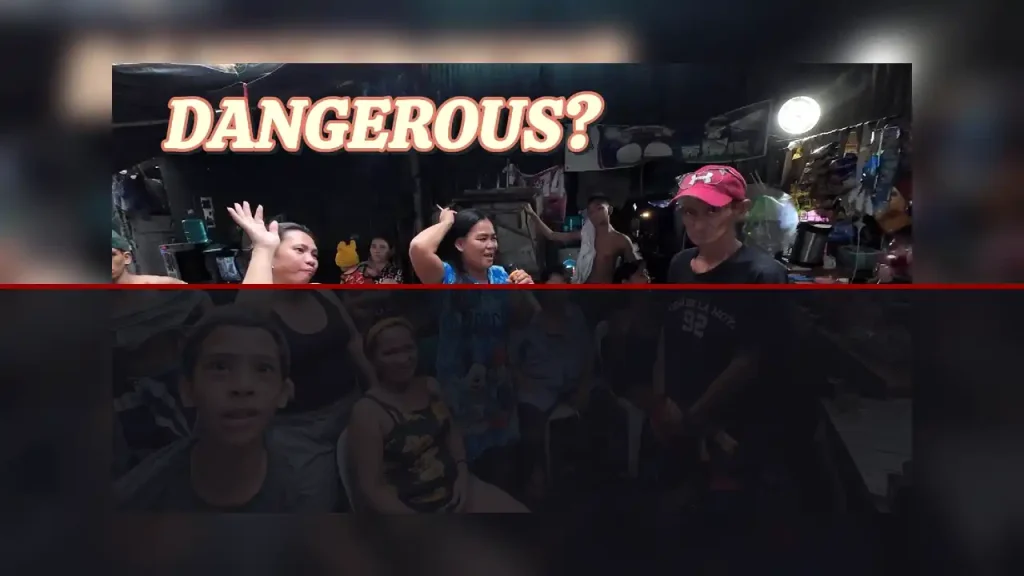
A severe afternoon downpour transforms the busy intersection of Pedro Gil and Taft Avenue into a challenging aquatic obstacle course for Manila commuters. High-resolution street footage reveals the resilience of local pedestrians, jeepney operators, and sidewalk vendors as drainage systems hit maximum capacity. The walk provides a raw look at tropical metropolitan infrastructure contending with sudden climate stress.
Urban Mobility Under Extreme Weather Stress
Taft Avenue serves as one of Manila’s most critical multimodal transit corridors, linking students, healthcare workers, and office personnel across the capital. When intense monsoon storms strike the Pedro Gil junction, the street grid transforms rapidly. Heavy tropical precipitation overwhelms curbside gutters within minutes, forcing water into pedestrian lanes and vehicular bottlenecks. The footage captures this sudden shift with striking clarity, documenting how commuters pivot instantly from hurried walking to calculated wading across flooded crosswalks.
The interplay between elevated mass transit and ground-level chaos defines this corridor. The LRT-1 station above offers dry passage along the tracks, yet arriving passengers step down directly into knee-deep flash floods on the asphalt below. Public utility jeepneys continue pushing through rising waters, their elevated chassis enabling them to navigate depths that stall standard passenger cars. Commuters cluster tightly beneath station stairs and shop awnings, waiting out peak rainfall before stepping into the brown currents swirling along the avenue.
Streetscape Drainage and Transit Architecture
Pedro Gil’s street geography reflects decades of dense commercial layering over historic drainage pathways. Historic Manila drainage basins sit barely above sea level, making gravitational stormwater discharge extremely sluggish during high tide cycles in nearby Manila Bay. Sidewalk curbs along Taft Avenue vary wildly in height, creating an erratic terrain where a dry pedestrian curb suddenly drops into a submerged drain inlet. The camera tracks these infrastructure hurdles, showing how street-level concrete choices directly dictate foot traffic speed.
Building frontages along Pedro Gil employ temporary flood barriers, including raised door sills, sandbags, and removable aluminum gates. These hyper-local architectural defenses keep retail spaces functional while stormwater pools outside. Utility poles draped with heavy communication lines crisscross overhead, while neon signage from pharmacies, fast-food outlets, and convenience stores reflects brightly against the flooded street surface. The spatial arrangement highlights how small commercial establishments have modified their physical thresholds to survive recurrent tropical downpours.
Pedestrian Flow and Daily Commuter Adaptation
Despite heavy flooding, pedestrian momentum along Pedro Gil never fully stops. University students from nearby campuses, hospital personnel in scrubs, and retail clerks navigate the waters using improvised protective gear. Umbrellas offer minimal shielding against wind-driven sheets of rain, prompting many to switch into rubber sandals or simply roll up their trousers. The communal understanding of how to traverse flooded terrain becomes visible through silent coordination, as walkers follow one another along submerged curbs where water runs shallowest. For more detailed movie reviews, celebrity spotlights, and Pinoy indie cinema breakdowns, visit the Ayosto Film Magazine Hub.
Informal mobility operators emerge almost immediately as commercial water taxis on land. Pushcart operators and sidecar drivers ferry stranded walkers across deep road depressions for nominal fees, turning an infrastructure failure into a micro-transit economy. The lens captures the fluid negotiations between commuters and cart operators, demonstrating the adaptive survival systems that define Manila street life. Foot traffic gathers along the drier concrete islands beneath overpasses, creating pop-up social pockets where strangers share shelter and travel updates.
Commercial Intersections and Sidewalk Ecosystems
The corner of Pedro Gil and Taft Avenue acts as a major commercial node, anchored by universities, major hospitals, and retail plazas. Even under monsoon conditions, sidewalk vendors adjust their inventory to match traveler needs. Stalls rapidly transition from selling chilled street snacks to hawking plastic rain ponchos, clear waterproof slip-ons, and oversized umbrellas. This commercial agility keeps the sidewalk bustling, proving that street-level commerce remains tightly interwoven with weather patterns.
As the afternoon light dims through gray storm clouds, vehicle headlights illuminate floating debris and churning roadside puddles. Exhaust fumes from idling buses mix with the scent of damp pavement and street food, giving the corridor an intense atmospheric weight. The high-definition exploration documents the tactile reality of Manila’s urban core, where aging municipal drainage, dense human transit, and relentless tropical squalls collide. It stands as an essential case study of city living under real-world meteorological pressure, showing that community resourcefulness remains the ultimate shock absorber for urban decay.
Frequently Asked Questions
- Why does the intersection of Pedro Gil and Taft Avenue flood so quickly?
The area sits at low elevation near Manila Bay and suffers from aging drainage networks that become easily overwhelmed during intense rainfall, especially when combined with high tides. - How do commuters manage daily transit during severe Taft Avenue floods?
Commuters rely on elevated LRT-1 trains, high-clearance jeepneys, elevated pedestrian pathways beneath station stairs, and informal pushcart operators who ferry people across deep water. - What urban adaptations are visible along Pedro Gil storefronts?
Retail shops use raised concrete thresholds, removable flood gates, and sandbags, while street vendors quickly switch stock to sell waterproof shoes, ponchos, and umbrellas.
DISCLAIMER: This article is an independent editorial film critique and educational review based on publicly available trailers and materials from CitiWalk4k. All visual media and trademarks belong to their respective copyright holders. The views and analyses expressed herein are solely for critical commentary, media literacy, and cinematic evaluation under Fair Use guidelines, and do not represent formal statements from authorities or the management of ayosto.com.
About The Author