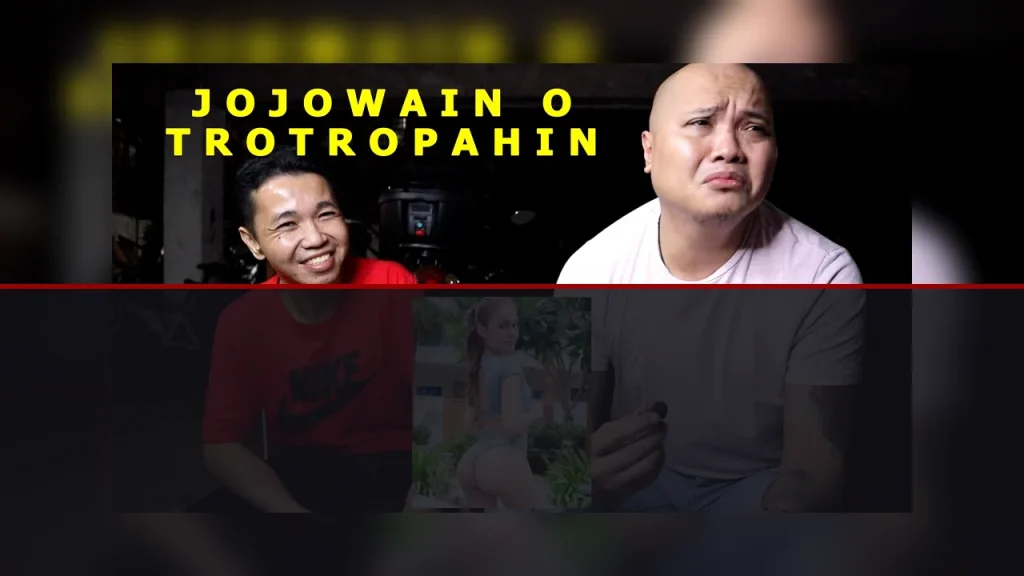
Cherryl Ting explores physical alignment, mutual comfort, and emotional connection within long-term romantic relationships. The commentary evaluates how candid lifestyle vlogging demystifies adult wellness, emphasizing clear communication, bodily ergonomics, and shared trust between partners.
The Modern Rhetoric of Relationship Wellness
Contemporary digital creators have radically altered the discourse surrounding marital wellness and physical affection. Where mainstream media once approached physical partnership through sensationalism or taboo, contemporary commentators utilize relatable, confessional video formats to normalize adult communication. Digital creator Cherryl Ting represents this distinct cultural shift within Filipino lifestyle commentary, dissecting everyday relationship challenges with directness, conversational warmth, and emotional pragmatism. In addressing physical alignment and mutual preference, Ting bridges the gap between lighthearted social media candor and actionable wellness philosophy.
Rather than treating romantic partnership as an unspoken mystery, modern lifestyle narratives reframe romance through mutual agreement and communicative agency. Ting approaches interpersonal closeness by prioritizing both emotional security and physical ease. Her presentations reflect an evolving digital media space where audiences actively seek practical perspectives on sustaining intimacy over years of commitment, long-distance strain, or marital routine.
De-stigmatizing Physical Compatibility and Comfort
At the center of Ting’s analysis is the fundamental premise that physical harmony cannot exist without mutual physical comfort. Modern lifestyle critique frequently notes that discussions around physical preferences within couples are often hindered by hesitation, awkwardness, or uneven expectations. Ting’s discussion serves as a domestic masterclass in dismantling these barriers, encouraging viewers to identify what fosters relaxation, connection, and ease for both partners.
By highlighting specific postures and arrangements that promote shared comfort, Ting effectively shifts the narrative away from performance anxiety toward mutual contentment. The discourse emphasizes that long-term physical wellness relies on ergonomics, emotional presence, and attentiveness to one’s partner. This pedagogical shift transforms what could be a sensationalized subject into a healthy inventory of physical comfort, shared joy, and reciprocal respect.
Communication as the Foundation of Physical Harmony
Intimacy within a relationship rarely begins or ends with physical configuration; it is anchored in the quality of dialogue preceding it. Ting’s critique consistently underlines that vocalizing preferences is an act of trust rather than vulnerability. In many cultural contexts, discussing intimate preferences openly remains daunting, particularly for women who fear social judgment. Ting’s platform challenges this reticence by demonstrating that honest expression strengthens emotional bonds and eliminates misunderstandings.
Clear verbal interaction allows couples to establish boundaries, identify preferences, and align their expectations without fear of rejection. Ting reinforces that genuine closeness requires active listening and ongoing feedback. By encouraging couples to converse openly about what brings them peace and comfort, her narrative elevates the standard of emotional maturity required in modern domestic unions. For more detailed movie reviews, celebrity spotlights, and Pinoy indie cinema breakdowns, visit the Ayosto Film Magazine Hub.
Digital Vlogging Aesthetics and Audience Resonance
From an editorial and cinematic viewpoint, Ting’s content succeeds largely due to its approachable aesthetic. Eschewing overly clinical environments or hyper-glossy studio sets, she speaks directly to the camera in a domestic setting that mirrors the viewer’s own living room. This direct-to-audience address creates an atmosphere of peer-to-peer counsel, allowing complex discussions on intimacy to unfold naturally.
Her vocal delivery balances pragmatic advice with playful relatability, preventing the discussion from becoming overly sterile or unintentionally vulgar. This tonal calibration is crucial for digital creators operating under stringent broadcast standards and platform guidelines. By maintaining an ad-safe, PG-13 educational framework, Ting achieves broad resonance across demographic lines, validating the everyday experiences of couples striving for deeper romantic alignment.
Critical Takeaway: Intimacy Through Mutual Respect
Ultimately, Ting’s content serves as an essential case study in modern interpersonal guidance. The true substance of her commentary lies not merely in physical preferences, but in the empowerment of both individuals within a union. A successful partnership demands that both parties feel heard, valued, and comfortable across all dimensions of shared life.
By treating physical wellness as an extension of emotional honesty, Ting encourages modern couples to leave behind outdated taboos in favor of compassionate, transparent communication. In doing so, her work contributes positively to the broader landscape of adult wellness media, reminding audiences that lasting romance is sustained through ongoing collaboration, mutual respect, and intentional connection.
Frequently Asked Questions
- What is the core message of Cherryl Ting’s relationship guidance?
The discussion emphasizes that mutual comfort, open verbal communication, and reciprocal emotional safety are the core foundations of physical and romantic harmony between partners. - How does this critique approach physical compatibility safely?
The critique reframes physical compatibility through the lens of ergonomics, wellness, mutual respect, and adult relationship pedagogy, ensuring a strictly informative and PG-13 discussion. - Why is verbal communication critical for couple intimacy?
Verbal communication establishes personal boundaries, builds emotional security, and ensures both partners feel respected and valued within their shared partnership.
DISCLAIMER: This article is an independent editorial film critique and educational review based on publicly available trailers and materials from Cherryl Ting. All visual media and trademarks belong to their respective copyright holders. The views and analyses expressed herein are solely for critical commentary, media literacy, and cinematic evaluation under Fair Use guidelines, and do not represent formal statements from authorities or the management of ayosto.com.
About The Author