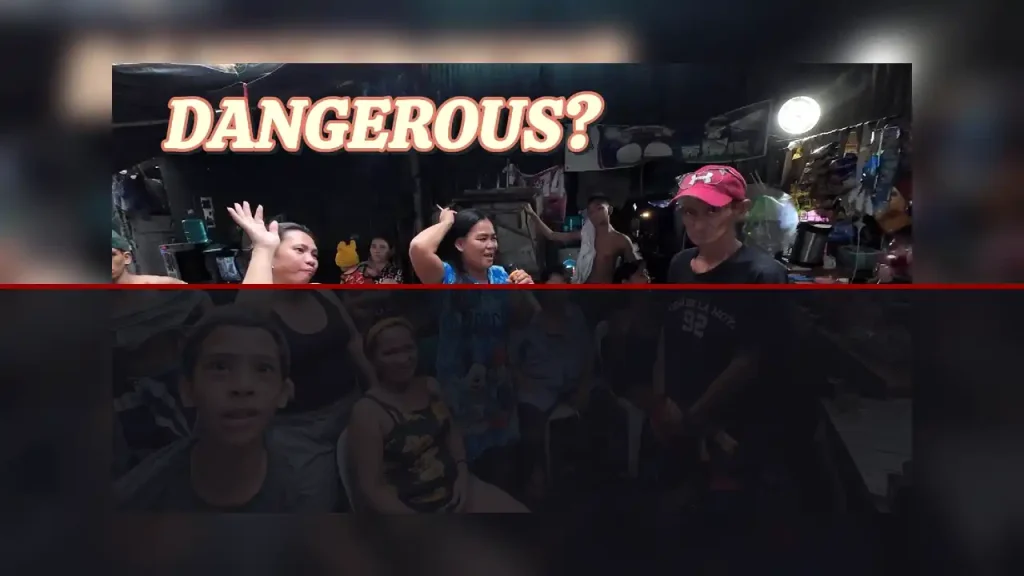
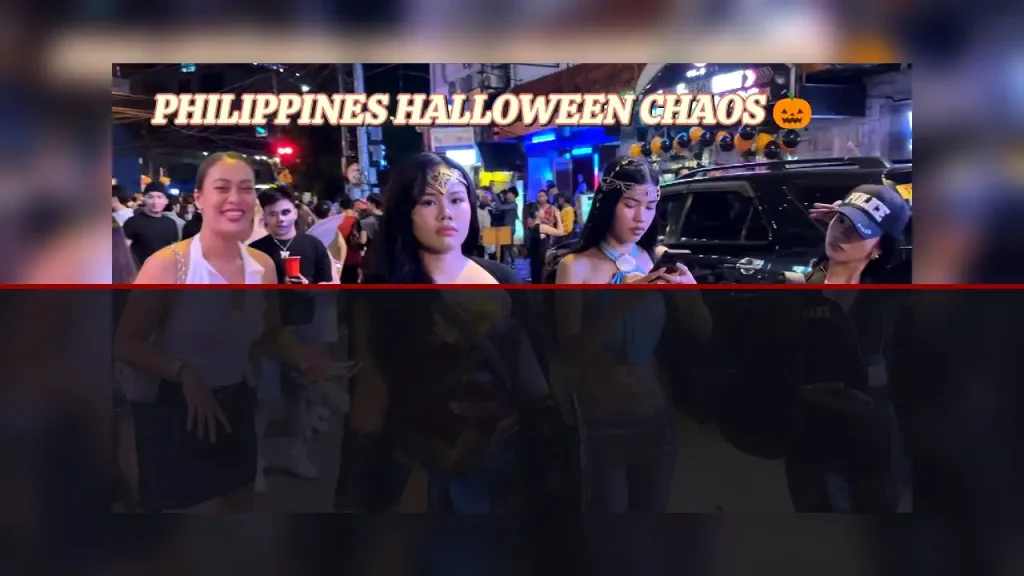
Carriedo Street in Manila has undergone significant urban clearing initiatives aimed at restoring public spatial mobility. This 4K pedestrian walkthrough highlights the shifting dynamics between historic retail stalls, heritage infrastructure, and foot traffic flow. The visual documentation provides an essential lens into how municipal interventions alter downtown Manila’s public realm.
The Spatial Shift in Quiapo’s Historical Core
Carriedo Street has long functioned as a primary commercial artery connecting Santa Cruz and Quiapo, two of Manila’s most densely populated traditional trading hubs. In recent years, public space management in downtown Manila has prioritized clearing obstructions from heavy pedestrian thoroughfares. The high-definition visual walkthrough of Carriedo Manila captures a distinct moment of spatial reconfiguration. Where dense informal vendor setups once dictated the pace of transit, cleared walkways now allow open, continuous pedestrian movement from Carriedo LRT-1 Station toward Quiapo Church.
This structural change fundamentally alters how citizens navigate the district. Removing non-permitted stalls expands the usable width of the street, changing the visual corridor and encouraging faster pedestrian travel times. For urban analysts, this transformation reveals the ongoing friction between municipal regulation and historic, self-organized street markets that defined Manila’s downtown identity for decades.
Architectural Context and Heritage Streetscapes
As the visual tour moves along Carriedo, the removal of visual clutter reveals the underlying architectural canvas of the corridor. Mid-century commercial structures, early 20th-century built facades, and modern storefront alterations coexist along the street. With overhead awnings and temporary tarpaulins removed, natural light penetrates deeper into the street canyon, spotlighting upper-level structural details that were previously hidden from pass-through pedestrians.
The relationship between shopfront architecture and the street grid becomes far clearer. Formal retail establishments now have unobstructed visual access to foot traffic. However, this aesthetic modernization also highlights deferred maintenance on historical building facades, illustrating the contrast between immediate ground-level municipal clearing efforts and long-term structural heritage preservation.
Pedestrian Mobility and Sidewalk De-cluttering
The primary focus of this urban exploration centers on foot traffic flow. Downtown Manila relies heavily on non-motorized transport and transit-oriented mobility networks. Carriedo Street acts as a critical feeder line connecting heavy rail transit passengers to major bus, jeepney, and ferry routes across the Pasig River corridor.
By reclaiming the public right-of-way, municipal authorities have restored Carriedo’s function as a high-capacity pedestrian corridor. The video footage reveals how different pedestrian groups—daily commuters, shoppers, delivery personnel, and local residents—interact with the newly opened space. Movement patterns are less fragmented, reducing micro-congestions at traditional bottlenecks such as corner intersections and transit entry points. The improved spatial capacity enhances pedestrian comfort and safety, particularly during peak commuting hours. For more detailed movie reviews, celebrity spotlights, and Pinoy indie cinema breakdowns, visit the Ayosto Film Magazine Hub.
Economic Resilience and Local Informal Commerce
While street clearing enhances physical transit, it also impacts the local informal economy. Carriedo Manila historically sustained thousands of micro-vendors selling footwear, apparel, electronics, and street food. The current streetscape presents a reorganized commercial ecosystem where vendor presence is either strictly zoned, relocated, or integrated into formal indoor plazas.
This shift alters the sensory experience of the street. The intense vocal calls, temporary display racks, and dense merchandise displays have given way to standardized storefronts and open pavement. Observing this balance reveals the challenges of modern urban planning in Southeast Asian metropolises: balancing public accessibility and order with the economic survival of informal workers who form the backbone of traditional urban retail.
Urban Governance and Future Transit Corridors
The cleared corridors of Carriedo Manila serve as a case study for broader municipal revitalization efforts across Metro Manila. Sustainable urban mobility requires maintaining these public spaces over extended periods, preventing re-encroachment while providing permanent, viable spaces for street traders elsewhere.
As cities shift toward active transport, pedestrian-first zones like Carriedo showcase the potential of non-motorized infrastructure in historical downtown districts. The 4K footage documents a pivotal chapter in Manila’s urban management policy, providing valuable spatial data on how physical clearance influences community dynamics, heritage appreciation, and daily urban life.
Frequently Asked Questions
- What urban changes are featured in the Carriedo Manila walking tour?
The tour highlights cleared pedestrian walkways, organized commercial spaces, and improved foot traffic flow along the historic corridor in Quiapo, Manila. - Why is Carriedo Street significant to Manila’s pedestrian infrastructure?
Carriedo serves as a primary non-motorized connection between LRT-1 Carriedo Station, Plaza Lacson, and the Quiapo Church area, handling thousands of commuters daily. - How does street clearing affect local street vendors in Carriedo?
Clearing initiatives aim to balance walkway accessibility with regulated vendor stalls, restructuring informal trade into designated, manageable zones.
DISCLAIMER: This article is an independent editorial film critique and educational review based on publicly available trailers and materials from CitiWalk4k. All visual media and trademarks belong to their respective copyright holders. The views and analyses expressed herein are solely for critical commentary, media literacy, and cinematic evaluation under Fair Use guidelines, and do not represent formal statements from authorities or the management of ayosto.com.
About The Author