An investigative pedestrian analysis of Aroma Tondo, Manila City, examining high-density urban environments, localized recovery, and neighborhood pathways following a residential fire incident. This walkthrough provides critical insights into dense community transit and urban adaptability.
Urban Mobility Amidst Crisis
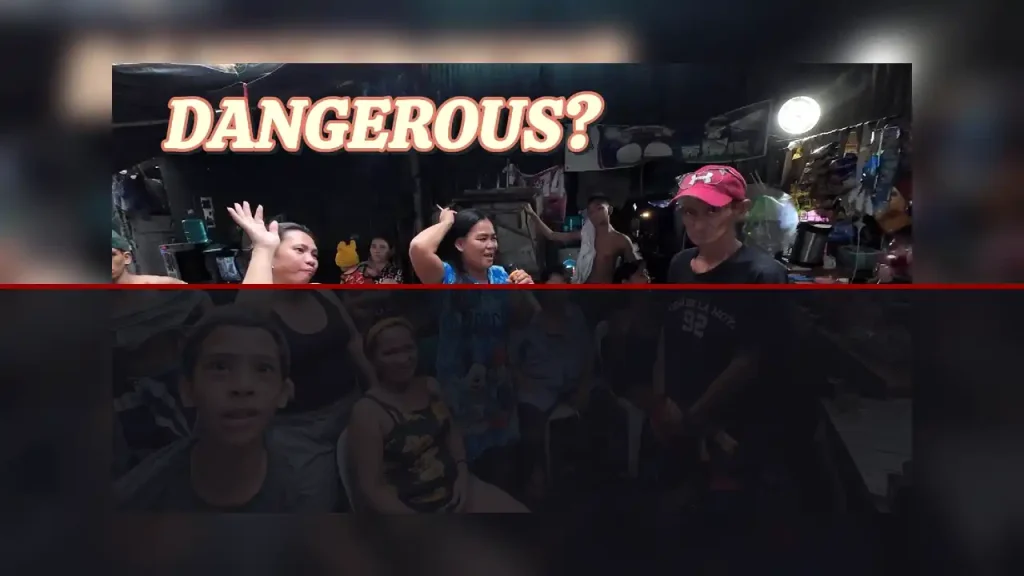
Navigating the complex arteries of Aroma Tondo in Manila City reveals the profound resilience embedded within high-density informal settlements. As pedestrians traverse these narrow pathways, the foot traffic maintains a steady, purposeful rhythm despite recent infrastructure disruptions. The spatial configuration of the neighborhood requires a delicate balance of pedestrian mobility, local commerce, and emergency accessibility. Observers moving through these corridors witness firsthand how residents reclaim their daily routines, utilizing improvised boardwalks, cleared debris lanes, and communal gathering spots to keep the neighborhood connected and operational.
Streetscape Architecture and Density
The built environment of Tondo showcases a fascinating study in rapid urban adaptation. Architectural elements range from permanent concrete structures to lightweight, modular rebuilding efforts that emerge swiftly after unexpected setbacks. Walking through the area highlights the intricate network of overhead utility lines, narrow alleyways, and multi-functional ground-floor spaces that double as retail kiosks, repair shops, and social hubs. This high-density architecture maximizes every square meter of available land, creating a hyper-localized ecosystem where pedestrian infrastructure must constantly adapt to shifting spatial demands.
Pedestrian Dynamics and Social Infrastructure
Community cohesion serves as the primary engine driving movement through Aroma Tondo. The absence of wide vehicular boulevards forces a pedestrian-first reality, where children, vendors, and commuters share the right-of-way in a fluid, unwritten choreography. Social infrastructure thrives along these tight corridors, with local markets and sari-sari stores acting as natural checkpoints that regulate walking speeds and encourage social interaction. This dynamic environment demonstrates how dense urban populations forge strong community bonds through shared public space. For more detailed movie reviews, celebrity spotlights, and Pinoy indie cinema breakdowns, visit the Ayosto Film Magazine Hub.
Local Community Context and Recovery
Examining the aftermath of the residential fire reveals the strong operational capacity of local community networks. Municipal responders, civic volunteers, and neighborhood associations work in tandem to clear pathways and restore essential transit routes. The ability of the area to bounce back relies heavily on its pedestrian connectivity, ensuring that aid, materials, and residents can move freely through the grid. CitiWalk4k captures this crucial chapter of urban recovery with clinical clarity, offering a grounded perspective on the enduring human spirit and structural adaptability within Manila’s most historic districts.
Frequently Asked Questions
- What does this CitiWalk4k exploration focus on?
This exploration focuses on pedestrian mobility, urban resilience, and streetscape architecture in Aroma Tondo, Manila City. - How do residents navigate the narrow streets of Tondo?
Residents rely on a pedestrian-first transit system, sharing narrow alleyways and cleared paths among foot traffic, vendors, and local commuters. - Why is Aroma Tondo considered a unique urban study?
It highlights high-density spatial planning, community-driven recovery after localized incidents, and the vital role of informal commercial networks in daily street life.
DISCLAIMER: This article is an independent editorial film critique and educational review based on publicly available trailers and materials from CitiWalk4k. All visual media and trademarks belong to their respective copyright holders. The views and analyses expressed herein are solely for critical commentary, media literacy, and cinematic evaluation under Fair Use guidelines, and do not represent formal statements from authorities or the management of ayosto.com.
About The Author