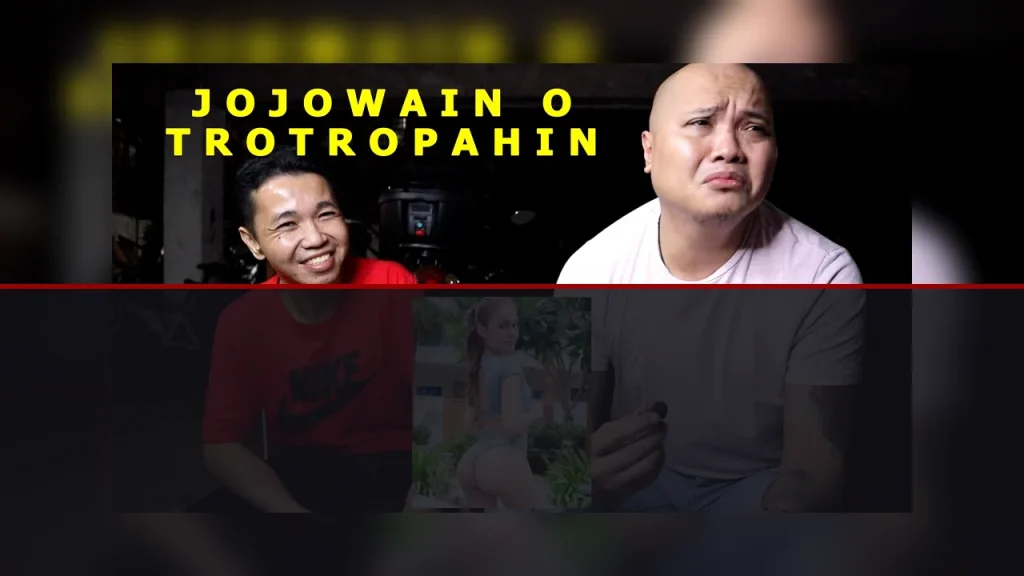
Digital creator Cherryl Ting delves into the psychological and emotional reasons behind why women gradually withdraw affection in long-term relationships. The discussion highlights systemic communication breakdowns, lack of emotional reciprocity, and the slow accumulation of unaddressed domestic strain. Ting provides constructive commentary aimed at fostering mutual vulnerability, active partnership, and relational wellness.
Deconstructing the Psychology of Relational Distance
Emotional fading within romantic unions rarely happens overnight; rather, it is often a silent, cumulative phenomenon that builds across months or even years of unresolved grievances. In her commentary addressing why romantic partners, particularly women, eventually lose their deep affection, content creator Cherryl Ting unpacks the delicate balance of intimacy, validation, and shared responsibility. By translating complex relationship dynamics into accessible digital media, Ting frames romantic fatigue not as an impulsive departure, but as a protective withdrawal brought on by prolonged emotional disengagement.
Relationships thrive on continuous mutual affirmation. When one partner consistently experiences emotional isolation despite being physically present, the initial spark of companionship begins to dull. Ting outlines the subtle signs that precede deliberate detachment: brief conversational exchanges, diminished enthusiasm for future planning, and an increasing reliance on independent social circles. These behaviors are not necessarily acts of spite; instead, they serve as emotional insulation against repetitive disappointment. Ting’s analysis encourages couples to look past surface-level arguments and investigate the core unmet needs underpinning relational quietness.
The Role of Emotional Labor and Domestic Balance
A primary factor discussed in modern relationship psychology—and strongly highlighted in Ting’s commentary—is the unbalanced burden of emotional and logistical labor. When one partner feels compelled to manage household routines, anticipate scheduling, and perpetually initiate conversations, the romantic dynamic slowly shifts into a transactional or supervisory relationship. Romantic intimacy requires parity, where both individuals feel genuinely cherished and supported without having to beg for fundamental consideration.
Ting addresses common misconceptions that external factors, such as physical distance or shifting priorities, are the sole culprits behind falling out of love. While long-distance arrangements and high-stress careers present logistical hurdles, emotional disconnection fundamentally stems from inattention to the day-to-day nuances of a partnership. When active listening disappears and gestures of appreciation become rare commodities, affection erodes under the weight of feeling taken for granted. Ting emphasizes that reclaiming lost ground demands self-awareness, personal accountability, and a willingness to share the emotional load equally.
Rebuilding Active Communication and Vulnerability
The turning point in any struggling partnership lies in the willingness to cultivate safe emotional harbors. Communication often fails when discussions degenerate into defensive posturing, grievance-listing, or dismissiveness. Ting urges couples to transition from confrontational language to empathetic curiosity. Rather than assuming emotional indifference, partners are advised to inquire deeply into feelings of burnout, fatigue, and unspoken expectations. For more detailed movie reviews, celebrity spotlights, and Pinoy indie cinema breakdowns, visit the Ayosto Film Magazine Hub.
Healthy vulnerability requires both individuals to set aside their pride in service of the union. Acknowledging small fractures before they calcify into permanent resentment remains the most reliable strategy for relationship longevity. Ting notes that proactive dialogue—characterized by validated feelings and demonstrable behavioral shifts—allows partners to rebuild safety. Genuine apologies paired with sustained consistency can re-establish the emotional intimacy necessary to revive faded affection.
A Pragmatic Framework for Sustained Companionship
Beyond identifying the causes of emotional drift, Ting’s commentary acts as a practical wellness blueprint for modern couples. Intimacy is sustained through intentional, repeated acts of respect, emotional presence, and ongoing courtship. Even seasoned relationships benefit from scheduled quality time, shared hobbies, and regular check-ins on mutual relationship goals. Affection is not an immutable state; it requires conscious maintenance and mutual investment.
Ultimately, Ting presents a grounded, mature perspective that moves beyond melodrama to address the fundamental realities of romantic longevity. By encouraging both partners to examine their contributions to the relationship’s climate, her commentary serves as a valuable resource for audiences seeking healthier, more enduring emotional partnerships.
Frequently Asked Questions
- What are the earliest signs of emotional detachment in a relationship?
Early indicators typically include a marked decrease in daily communication, reluctance to discuss future plans, avoidance of emotional vulnerability, and an overall sense of indifferent compliance rather than enthusiastic participation. - Can faded affection be restored between partners?
Yes, provided both individuals acknowledge the underlying communication breakdowns, validate each other’s emotional exhaustion, and commit to consistent behavioral changes that foster mutual safety and appreciation. - How does emotional labor impact romantic intimacy?
When one partner bears an unequal burden of planning, household management, or emotional upkeep, romantic affection can transform into fatigue and resentment, which directly erodes emotional and relational closeness.
DISCLAIMER: This article is an independent editorial film critique and educational review based on publicly available trailers and materials from Cherryl Ting. All visual media and trademarks belong to their respective copyright holders. The views and analyses expressed herein are solely for critical commentary, media literacy, and cinematic evaluation under Fair Use guidelines, and do not represent formal statements from authorities or the management of ayosto.com.
About The Author