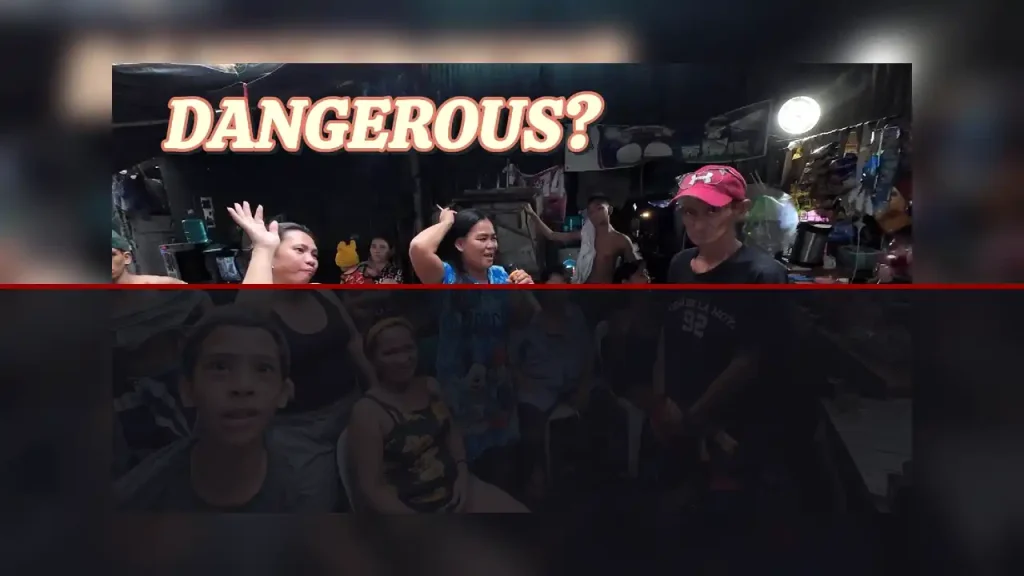
Divisoria represents one of Manila’s most intense epicenters of commercial movement and micro-retail trade. This spatial assessment examines weekend pedestrian navigation as informal street merchants renegotiate street territory along major avenues. The resulting streetscape highlights how grassroots enterprise and foot traffic reshape historic downtown infrastructure.
The Rhythm of Informal Retail on Manila Arteries
Divisoria functions as the commercial engine of downtown Manila. The renewed presence of open-air merchants across primary corridors like Claro M. Recto demonstrates the continuous dialogue between municipal clearing drives and grassroots economic survival. On busy shopping days, pedestrian density surges to extreme levels as buyers from across the metropolis gather for wholesale and retail bargains. Stalls materialize with modular speed, using lightweight folding frames, wooden crates, and waterproof tarpaulins. This fluid marketplace dynamic defines older Southeast Asian commercial hubs, where street life refuses to remain confined to formal retail interiors.
The return of these merchants reflects deep-rooted economic networks rather than mere regulatory lapses. Each vendor operates within an established network of distributors, porters, and security lookouts. When commercial activity spills beyond the curbstones, the avenue transforms from a vehicular transport artery into an open-air department store. This adaptive reuse of public roadway challenges conventional municipal engineering that prioritizes motor vehicle throughput above local commercial vitality.
Pedestrian Navigation Through Compressed Thoroughfares
Walking through Divisoria demands constant spatial awareness and collective negotiation. Sidewalks alone cannot support the sheer volume of shoppers, pushcart operators, and cargo haulers moving simultaneously through the district. As a result, foot traffic takes over the asphalt, pushing motorized transport to a crawl. Pedestrians move in continuous, braided streams, instinctively parting around stationary displays and converging into open pockets of road space.
The walking pace here is irregular and deliberately slowed. Shoppers pause abruptly to inspect goods, haggle over prices, or yield to heavy cargo hand trucks loaded with textile bolts. This friction creates a unique urban tempo where high-density foot movement actually dominates vehicular transit. For everyday consumers, the street functions as a shared concourse where movement, social exchange, and trade happen at eye level without architectural barriers.
Streetscape Dynamics and Built Environment Adaptation
The architectural fabric along Recto and adjacent alleys features a layered mix of pre-war structures, utilitarian concrete mid-rises, and modern wholesale retail malls. However, the ground plane remains defined by informal temporary architecture. Overhead canopies fashioned from umbrellas and tied tarpaulins span outward from shopfronts, creating continuous shaded corridors that shield shoppers from harsh tropical sunshine and sudden downpours.
This low-cost urban infrastructure creates an unexpected microclimate that makes outdoor walking bearable during peak heat hours. Curbs disappear under merchandise trays and product racks, blurring the distinction between public walkway and private shop floor. Through these micro-adjustments, vendors maximize every available square foot of space, transforming rigid concrete infrastructure into a responsive trading environment tailored to foot-level commerce. For more detailed movie reviews, celebrity spotlights, and Pinoy indie cinema breakdowns, visit the Ayosto Film Magazine Hub.
Transit Friction and Micro-Logistics Management
The convergence of heavy foot traffic and street vending introduces sharp friction with vehicular mobility. Public utility jeepneys, motorized tricycles, and delivery vans must navigate narrow lanes carved through crowds of buyers. Rather than constant gridlock, drivers and pedestrians develop an unspoken visual rhythm, using horn taps and hand gestures to share right-of-way. Vehicles advance inch by inch, effectively moving at walking speed throughout peak business hours.
Crucial to this operational balance is the informal logistics workforce. Manual pushcart haulers navigate narrow clearances between stalls to transport bulk inventory from side-street warehouses directly to curbside displays. These micro-freight movers bypass vehicle congestion entirely, providing essential last-mile delivery that keeps the district’s retail machinery running smoothly without blocking road space with large commercial trucks.
Balancing Public Access with Micro-Enterprise Realities
Municipal administrations periodically carry out clearing operations designed to return all street space to automotive flow. Yet the rapid return of trade proves that Divisoria requires an integrated approach rather than continuous enforcement cycles. Street vendors provide vital retail affordability for lower-income households and sustain thousands of independent family livelihoods across the capital.
Forward-thinking urban planning points toward managed shared spaces rather than outright elimination. Design solutions such as scheduled pedestrian-only shopping hours, designated vendor stall markings, and integrated waste disposal stations can preserve economic vibrancy while maintaining essential emergency vehicle access. Recognizing the street as a multifaceted social and commercial arena—rather than merely a transit conduit—remains the key to sustainable urban planning in Manila’s historic downtown core.
Frequently Asked Questions
- Why do street vendors continue returning to Divisoria?
Divisoria offers unmatched foot traffic and economic opportunity for micro-retailers catering to thousands of daily wholesale and retail shoppers. - How does street vending affect pedestrian movement in Divisoria?
Vendors occupy sidewalks and outer lanes, pushing pedestrian traffic into the main street and converting vehicular roadways into shared, slow-speed walking corridors. - What urban design solutions could address road congestion in Divisoria?
Cities can implement time-based street pedestrianization, marked vendor zones, improved waste infrastructure, and designated freight loading windows to balance transit with local trade.
DISCLAIMER: This article is an independent editorial film critique and educational review based on publicly available trailers and materials from CitiWalk4k. All visual media and trademarks belong to their respective copyright holders. The views and analyses expressed herein are solely for critical commentary, media literacy, and cinematic evaluation under Fair Use guidelines, and do not represent formal statements from authorities or the management of ayosto.com.
About The Author