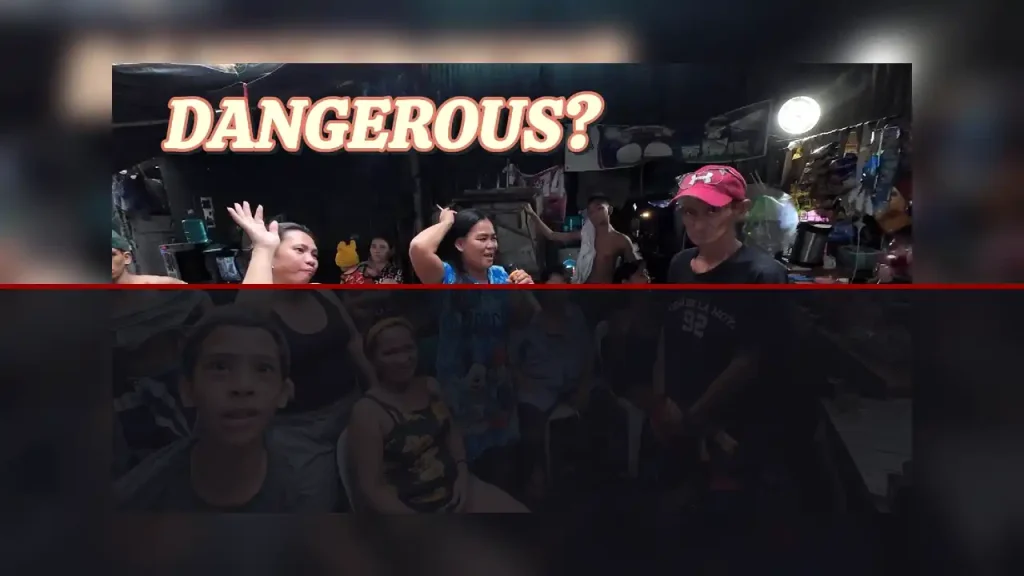
A torrential storm transforms the historic district of Quiapo, Manila into a dynamic study of urban adaptation. Pedestrians, vendors, and commuters navigate heavy downpours, showcasing real-time resilience amidst historic city streets.
Urban Mobility Under Pressure
Weather events serve as extreme stress tests for dense metropolitan areas. When heavy precipitation hits historical commercial districts, daily routines shift instantly. The footage captures how commuters adapt their routes, utilizing awnings, overpasses, and transit terminals to maintain movement. Sidewalk infrastructure faces immediate capacity challenges, forcing pedestrians to negotiate standing water while sharing narrow paths with persistent street vendors.
Streetscape Architecture and Drainage Dynamics
The architectural layout of Quiapo combines heritage storefronts with modern commercial signage, all subjected to the sweeping force of wind-driven rain. Historic facades provide varying degrees of shelter, creating micro-zones of relative dryness along the bustling corridors. Surface water runoff management becomes the primary environmental factor dictating human behavior. The footage highlights the strain on municipal drainage systems, illustrating the urgent need for climate-adaptive urban planning in high-density southeast Asian metropolitan centers.
Amidst the sheets of rain, commercial activity persists. Market vendors secure tarpaulins and reposition goods to protect inventory, demonstrating a high degree of informal economic resilience. Commuters display remarkable adaptability, moving purposefully through localized flooding. This resilience highlights the deep-rooted relationship between local populations and their physical environment, where sudden meteorological shifts are met with practiced routine rather than panic.
Pedestrian Dynamics in High-Density Zones
Navigating Quiapo during an intense storm requires heightened spatial awareness. Pedestrian flow fragments into localized clusters near shelter points before surging forward during brief lulls in the precipitation. Footwear choices, makeshift rain gear, and the sharing of umbrellas paint a vivid picture of communal cooperation. The visual data captured in 4K resolution provides urban geographers with clear behavioral insights into how crowds self-regulate under extreme environmental pressure. For more detailed movie reviews and Pinoy indie cinema critiques, visit the Ayosto Film Magazine Hub.
Local Community Context and Infrastructure Realities
The intersection of heritage architecture and contemporary climate challenges forms the core narrative of this urban walk. Quiapo remains a vital cultural and commercial anchor for Manila, yet it faces persistent infrastructure hurdles during seasonal weather events. Observing pedestrian reactions to these conditions offers valuable lessons for city planners aiming to improve public space durability, drainage capacity, and commuter safety in heavily trafficked urban cores.
Frequently Asked Questions
- What does the footage capture in Quiapo Manila?
The video documents pedestrian movement and urban adaptation during a severe rain and wind storm in the historic district of Quiapo, Manila. - How do commuters handle the heavy rain in the area?
Commuters utilize building overhangs, commercial awnings, and public transport hubs while adapting their walking routes to navigate localized flooding. - Why is studying pedestrian behavior during storms important for urban planning?
Observing crowd movement during severe weather helps urban geographers identify infrastructure bottlenecks, drainage issues, and areas requiring improved pedestrian shelter.
DISCLAIMER: This article is an independent editorial film critique and educational review based on publicly available trailers and materials from CitiWalk4k. All visual media and trademarks belong to their respective copyright holders. The views and analyses expressed herein are solely for critical commentary, media literacy, and cinematic evaluation under Fair Use guidelines, and do not represent formal statements from authorities or the management of ayosto.com.
About The Author