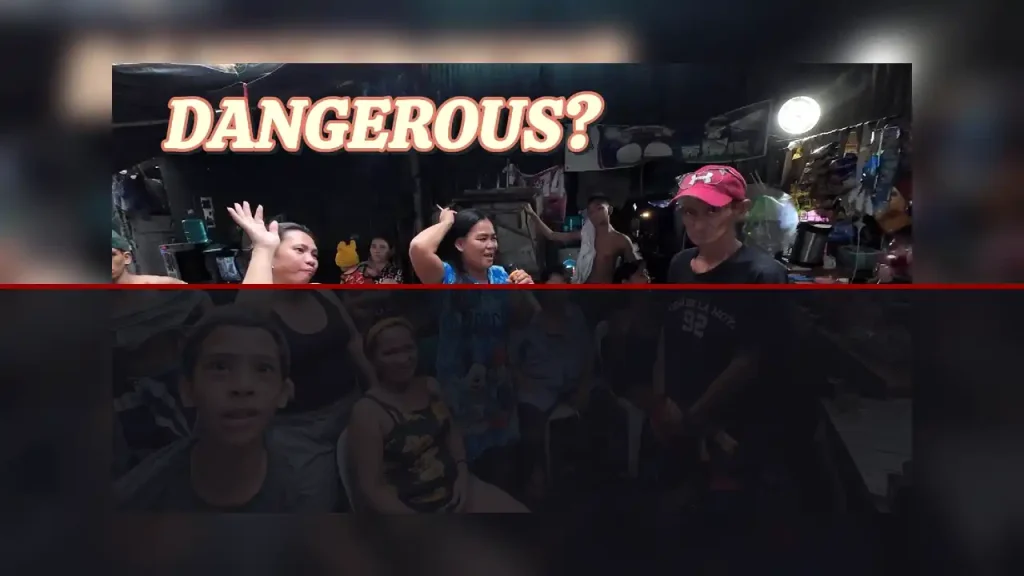
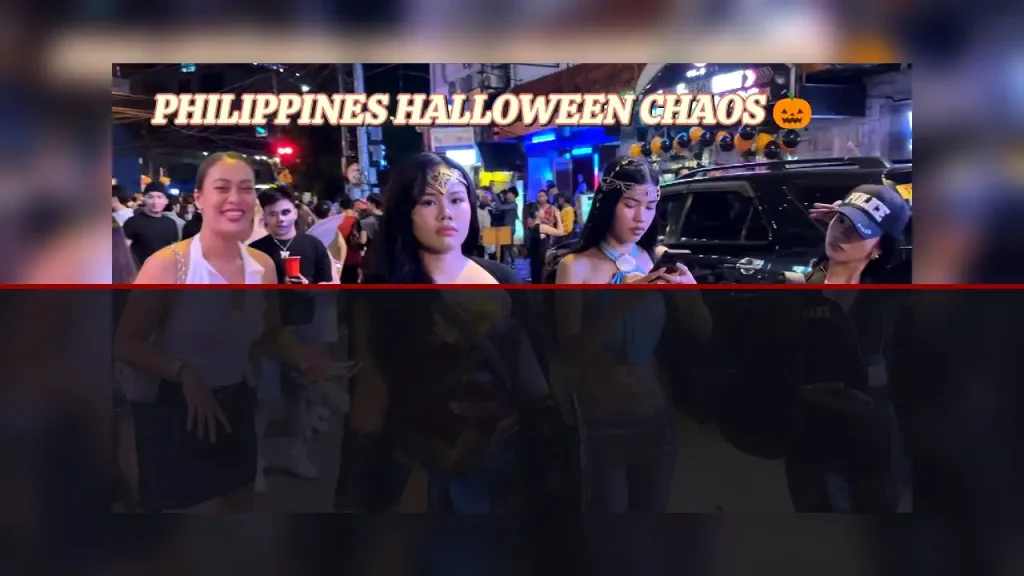
This urban exploration highlights the pedestrian dynamics and street-level infrastructure of Recto Avenue near Quiapo, Manila, immediately following a heavy downpour. The high-definition footage reveals how local commuters, street vendors, and public transit systems adapt to wet road conditions and persistent drainage challenges. It offers an analytical look into the resilience of Manila’s historic commercial core under pressure from tropical weather.
Post-Rain Urban Mobility and Drainage Adaptation
Recto Avenue, a vital arterial thoroughfare in the heart of Manila, presents a compelling case study in urban resilience, particularly in the immediate aftermath of a heavy tropical downpour. As the rain clears, the streetscape transforms into a complex obstacle course where vehicular traffic and pedestrian movement must negotiate persistent pooling water and slick asphalt. The local transportation ecosystem, dominated by iconic jeepneys, utility vehicles, and motorized tricycles, demonstrates a remarkable fluid mechanics. Drivers navigate clogged lanes with practiced precision, adjusting their speeds to prevent splashing pedestrians while managing the frequent stops required by passengers boarding mid-street.
The drainage infrastructure along Recto Avenue faces perennial challenges. Decades of rapid urbanization, combined with aging underground drainage systems, mean that even moderate rainfall can quickly saturate the street level. This post-rain scenario highlights the critical need for modernized stormwater management. Pedestrians are forced to make split-second decisions, calculating leaps across wide puddles or stepping onto narrow curbs to keep their footing dry. The physical interaction between the built environment and the natural elements reveals a community that has learned to normalize these disruptions, turning daily commutes into exercises in tactical navigation.
Streetscape Architecture of Historic Quiapo
The architectural fabric along Recto Avenue near Quiapo is a dense, layered historical record of Manila’s commercial evolution. Mid-century concrete structures stand shoulder-to-shoulder with modern retail developments, their facades weathered by both time and intense tropical humidity. Overhead, a web of utility lines and elevated transit infrastructure casts long shadows across the damp pavement, adding a distinct vertical complexity to the streetscape. This high-density environment maximizes every square meter of available space, with commercial signs, tarpaulins, and storefront displays competing for the attention of passersby.
The ground-level architecture is highly porous, featuring open-fronted shops and recessed entryways that blur the boundary between public sidewalks and private commercial spaces. This design allows businesses to quickly adapt to changing weather conditions, rolling down metal shutters during downpours and reopening immediately as the sun emerges. The weathered concrete and faded paint of the older buildings tell a story of endurance, reflecting the intense economic utility of a district that prioritizes functional commerce over aesthetic uniformity.
Pedestrian Dynamics and Sidewalk Economy
Pedestrian flow along Recto Avenue is fast-paced, dense, and highly adaptive. Following a storm, the effective walking width of the sidewalks is significantly reduced by pooled water, structural columns, and informal retail setups. Despite these constraints, the crowd maintains a steady, self-regulating momentum. Commuters, students from the nearby University Belt, and shoppers move with an unspoken coordination, anticipating each other’s movements to avoid collisions on the wet surfaces. For more detailed movie reviews and Pinoy indie cinema critiques, visit the Ayosto Film Magazine Hub.
The sidewalk economy is an essential component of this pedestrian ecosystem. Street vendors selling rain gear, snacks, and cheap electronics quickly realign their displays to accommodate changing foot traffic patterns. When puddles block traditional walking paths, vendors adjust their positions, sometimes setting up wooden planks or cardboard sheets to help customers cross wet patches. This informal spatial management demonstrates how deeply integrated the local micro-economy is with the physical state of the street, proving that economic activity does not halt for inclement weather but rather reshapes itself to fit the dry pockets of the urban landscape.
Local Community Context and Spatial Resilience
To understand Recto Avenue is to appreciate its role as a central hub of Manila’s working-class economy. The intersection of Quiapo’s religious, educational, and commercial sectors creates a unique social dynamic that thrives on high-density interaction. The post-rain environment does not deter the thousands of people who rely on this corridor for their livelihoods; instead, it showcases the profound spatial resilience of the local community.
This urban corridor serves as a vital link connecting different parts of the metropolis, making its operational continuity essential for the city’s overall productivity. The way citizens navigate the damp, bustling streets of Quiapo highlights a shared urban consciousness built on adaptability and mutual patience. By analyzing these pedestrian patterns, urban planners can gain valuable insights into how public spaces are actually utilized under suboptimal conditions, offering a blueprint for future infrastructure upgrades that respect and support the organic flow of the city’s vibrant street life.
Frequently Asked Questions
- Why is Recto Avenue prone to flooding after heavy rains?
Recto Avenue’s vulnerability to flooding stems from a combination of aging drainage infrastructure, rapid urban density, and low-lying topography, which struggle to cope with high-volume tropical rainfall. - How do pedestrians adapt to wet conditions in Quiapo?
Pedestrians utilize tactical navigation, such as walking along building ledges, using makeshift bridges, and coordinating foot traffic patterns to avoid deep puddles and passing vehicle splashes. - What role does the informal economy play during bad weather along Recto Avenue?
Informal vendors quickly pivot their inventory and spatial setups, providing immediate goods like umbrellas while helping maintain pedestrian mobility by clearing or bridging wet sidewalk sections.
DISCLAIMER: This article is an independent editorial film critique and educational review based on publicly available trailers and materials from CitiWalk4k. All visual media and trademarks belong to their respective copyright holders. The views and analyses expressed herein are solely for critical commentary, media literacy, and cinematic evaluation under Fair Use guidelines, and do not represent formal statements from authorities or the management of ayosto.com.
About The Author