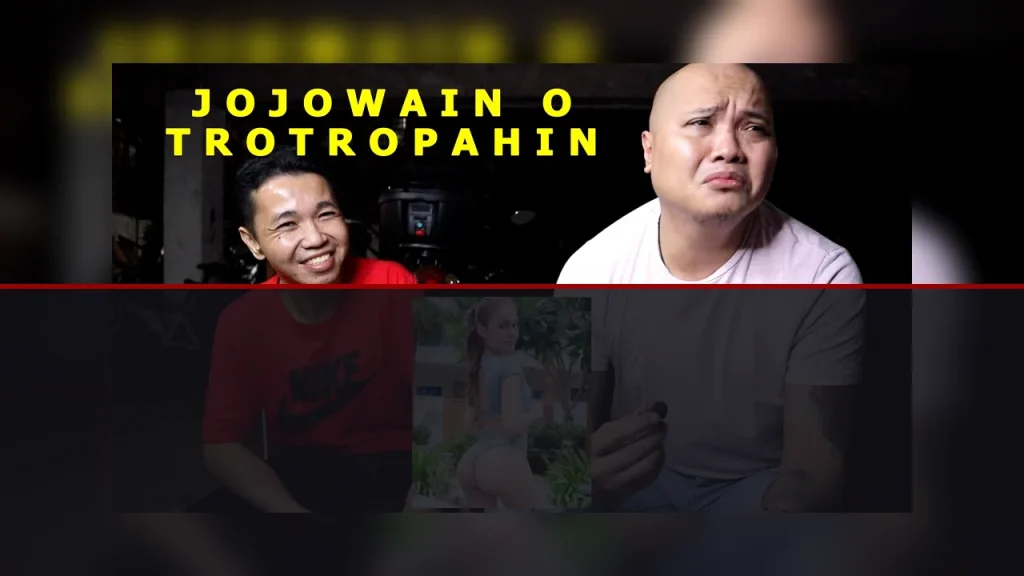
Digital creator Cherryl Ting tackles traditional gender expectations surrounding romantic and emotional initiative. The commentary explores how both partners can proactively express affection, foster open communication, and cultivate shared agency to maintain a healthy, balanced relationship.
Deconstructing Initiative in Modern Romance
The question of who should take the first step in expressing emotional interest or inviting closeness remains one of the most enduring debates in contemporary relationship dynamics. In the commentary titled ‘Sino Ang Dapat Mag Aya,’ digital content creator Cherryl Ting engages directly with this interpersonal dilemma. As digital media platforms increasingly become the primary space where public discussions around wellness and relationships occur, Ting’s content serves as a lens through which modern couples re-evaluate outdated social scripts in favor of proactive communication and mutual respect.
Historically, traditional courtship norms assigned the role of initiator almost exclusively to men, while women were socialized to remain receptive rather than proactive. Ting’s discussion dismantles this binary, advocating instead for an egalitarian approach where emotional agency is shared equally. By reframing the act of initiating—whether inviting a partner out for a meaningful date or expressing a desire for emotional intimacy—as a healthy expression of affection, the critique elevates the conversation beyond basic advice into a nuanced reflection on relationship wellness.
Breaking Traditional Stereotypes Around Emotional Agency
A central strength of Cherryl Ting Advice lies in her accessible yet straightforward critique of outdated gender roles. In many cultural frameworks, subtle taboos prevent women from expressing romantic or physical desire directly, leading to misunderstandings, unmet expectations, and suppressed communication. Ting addresses these barriers by validating the idea that taking initiative is a reflection of emotional maturity rather than a breach of traditional propriety.
When one partner consistently bears the sole responsibility of planning activities, initiating conversations, or nurturing affection, an imbalance inevitable forms. Ting highlights how this imbalance can lead to dynamic exhaustion or feelings of rejection. By encouraging both partners to actively participate in reaching out, the commentary promotes a healthier environment where both individuals feel pursued, valued, and emotionally secure.
The Psychological Impact of Reciprocal Communication
From a behavioral wellness perspective, reciprocal initiation is essential for sustaining long-term relational health. When initiative becomes a shared habit, it establishes a continuous loop of positive reinforcement. Ting’s commentary underlines the psychological relief that comes when both partners break the silence and express their needs openly without waiting for the other person to read their mind.
Unexpressed expectations are often the root cause of quiet resentment in couples. When individuals adopt a passive stance, waiting indefinitely for their partner to initiate closeness, minor emotional gaps can widen into significant communication breakdowns. Through her direct dialogue style, Ting emphasizes that clear, proactive communication removes the guesswork from romantic partnerships, replacing unspoken anxiety with intentional connection. For more detailed movie reviews and Pinoy indie cinema critiques, visit the Ayosto Film Magazine Hub.
Media Production, Delivery, and Digital Engagement
As a digital media personality, Cherryl Ting utilizes a direct, relatable format that resonates strongly with audiences navigating contemporary dating culture. Her delivery relies on conversational clarity, relatable anecdotes, and pragmatic advice, making complex emotional topics approachable for everyday viewers. The direct camera addressing creates an intimate tone that mimics a candid chat with a trusted mentor.
However, from a critical media perspective, while the presentation is highly engaging and accessible, the format naturally favors concise, practical rules of thumb over deep clinical analysis. Viewers benefit most when combining such media commentary with personalized introspection and, where appropriate, professional relationship counseling. Nevertheless, as popular educational content, Ting successfully sparks crucial conversations that encourage digital audiences to reflect on their interpersonal habits.
Final Verdict: Essential Lessons for Emotional Wellness
Ultimately, ‘Sino Ang Dapat Mag Aya’ serves as a valuable public reminder that modern partnerships thrive on equity, communication, and shared effort. Cherryl Ting offers viewers a empowering perspective that demystifies romantic initiative, replacing anxiety and traditional restrictions with openness and shared enthusiasm. For couples seeking to strengthen their emotional foundation, learning to share the initiative is an essential milestone toward long-term harmony.
Frequently Asked Questions
- What is the main takeaway from ‘Sino Ang Dapat Mag Aya’?
The primary lesson is that taking initiative in a relationship should be a shared responsibility between both partners rather than a duty assigned to one person based on traditional gender roles. - How does Cherryl Ting advice help improve communication?
Her commentary encourages partners to express their emotional and romantic desires openly, reducing misunderstandings caused by unspoken expectations. - Why is shared initiative important for long-term relationship health?
When both partners actively reach out and plan connection moments, it prevents emotional burnout, reinforces mutual appreciation, and maintains a balanced dynamic.
DISCLAIMER: This article is an independent editorial film critique and educational review based on publicly available trailers and materials from Cherryl Ting. All visual media and trademarks belong to their respective copyright holders. The views and analyses expressed herein are solely for critical commentary, media literacy, and cinematic evaluation under Fair Use guidelines, and do not represent formal statements from authorities or the management of ayosto.com.
About The Author