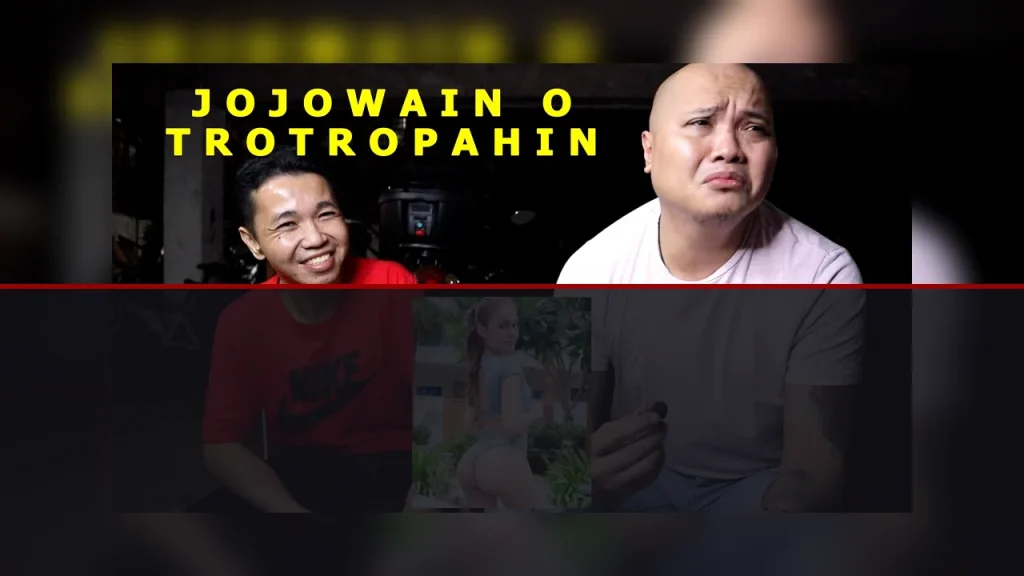
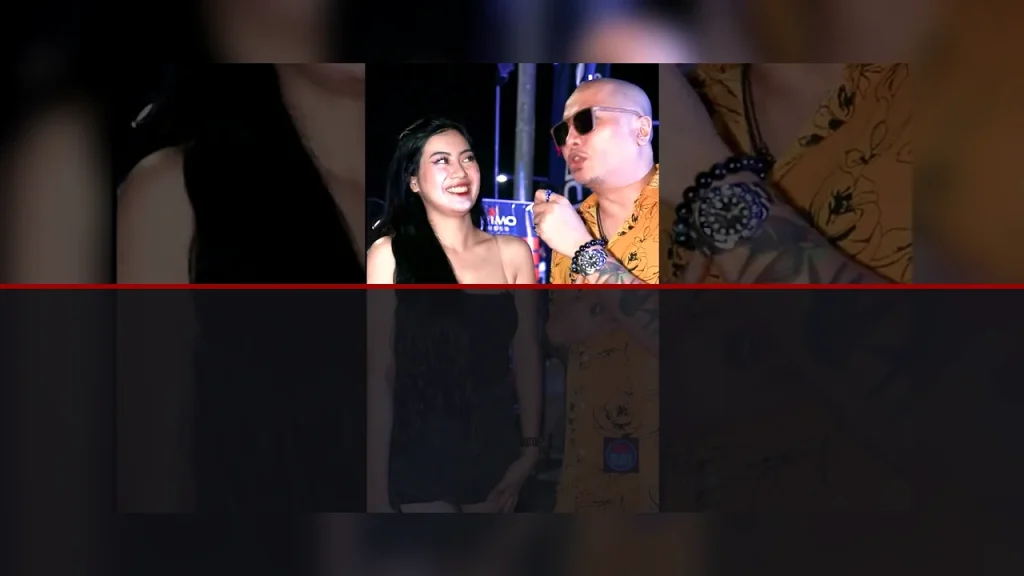
Digital creator Cherryl Ting delivers a candid exploration of relationship accountability and self-awareness in her commentary piece. By addressing common behavioral pitfalls between partners, the session emphasizes mutual respect, emotional maturity, and active communication. The narrative offers practical insights into navigating modern dynamics with clarity and personal integrity.
The Power of Direct Communication
In the evolving landscape of digital relationship commentary, content creators play a pivotal role in mediating everyday interpersonal conflicts. Cherryl Ting has carved out a distinct niche by blending candid personal reflections with accessible advice on behavioral accountability. In her commentary titled “Tama-an Mo ‘To,” Ting addresses the uncomfortable truths that partners frequently avoid during routine interactions. The phrase itself—translated loosely as taking a hit when a critique applies—serves as a rhetorical invitation for self-examination rather than outward defensiveness.
Through conversational framing, Ting cuts through superficial relationship tropes, emphasizing that long-term connection requires emotional honesty. The digital medium often rewards dramatic escalation, yet this presentation shifts the focus back toward internal reflection. By encouraging viewers to recognize their own flaws before critiquing their partners, Ting fosters a culture of constructive dialogue within modern relationship spaces.
Deconstructing Relationship Accountability
Accountability remains one of the most critical yet challenging dimensions of romantic partnerships. Ting’s narrative framework tackles how subtle behavioral oversights can accumulate over time, ultimately undermining trust and emotional security. In many contemporary dynamics, individuals inadvertently prioritize individual validation over collective stability, creating friction during conflict resolution.
Ting highlights the necessity of identifying personal triggers and acknowledging mistakes promptly. Rather than positioning relationship friction as an insurmountable barrier, her analysis treats disagreements as opportunities for growth. This perspective aligns closely with modern psychological frameworks that view conflict resolution as a metric of relationship maturity. By challenging audiences to accept constructive feedback without immediate resistance, the commentary elevates standard internet advice into a practical guide for emotional development.
Navigating Modern Intimacy and Emotional Wellness
Intimacy extends far beyond physical proximity; it requires emotional safety, clear boundaries, and empathetic engagement. In “Tama-an Mo ‘To,” the discourse expands to examine how communication breakdowns affect systemic emotional wellness. Long-distance dynamics, digital miscommunications, and routine stressors often exacerbate misunderstandings between partners.
Ting advocates for intentional check-ins and open dialogue regarding expectations. When partners cultivate a supportive environment where feedback can be received without judgment, the resulting security fosters deeper intimacy. Her commentary underlines the reality that reproductive health, mental well-being, and marital wellness are deeply intertwined. A healthy relationship environment acts as a buffer against external stress, proving that transparent conversations directly contribute to overall life satisfaction. For more detailed movie reviews, celebrity spotlights, and Pinoy indie cinema breakdowns, visit the Ayosto Film Magazine Hub.
Digital Media Strategy and Audience Resonance
From a media criticism perspective, Cherryl Ting’s delivery style demonstrates a refined understanding of audience engagement. Utilizing a direct-to-camera format, she establishes an informal yet authoritative presence that mirrors a conversation with a trusted peer. This approach demystifies complex relationship dynamics, making self-improvement concepts accessible to a broad audience.
The integration of conversational Tagalog phrasing alongside universally understood relationship terms enhances content accessibility across demographic boundaries. Rather than relying on heavy academic terminology or sensationalized drama, the commentary relies on relatable scenarios that resonate with adult viewers navigating real-world commitments. This strategic balancing act allows Ting to maintain high engagement while delivering constructive, values-driven messages.
Constructive Solutions for Couples
Ultimately, effective relationship advice must offer actionable solutions. The core takeaway of Ting’s commentary centers on cultivating proactive habits that strengthen partner alignment. First, couples are encouraged to institute non-defensive listening techniques, where each partner listens to understand rather than to counter-argue. Second, regular emotional audits allow couples to voice concerns before resentment builds up.
By promoting proactive communication, emotional discipline, and self-awareness, Ting’s work underscores the idea that strong relationships are built through deliberate, daily efforts. The commentary serves as a timely reminder that personal growth is the foundation upon which enduring partnerships are sustained.
Frequently Asked Questions
- What is the core message of Cherryl Ting’s “Tama-an Mo ‘To”?
The main theme centers on personal accountability, self-reflection, and encouraging partners to address behavioral flaws constructively. - How does Cherryl Ting approach relationship advice?
She utilizes a direct, relatable commentary style that translates real-world romantic dynamics into practical, actionable emotional wellness tips. - Why is emotional accountability important in modern relationships?
Accountability helps prevent resentment, fosters open communication, and strengthens overall trust between partners.
DISCLAIMER: This article is an independent editorial film critique and educational review based on publicly available trailers and materials from Cherryl Ting. All visual media and trademarks belong to their respective copyright holders. The views and analyses expressed herein are solely for critical commentary, media literacy, and cinematic evaluation under Fair Use guidelines, and do not represent formal statements from authorities or the management of ayosto.com.
About The Author