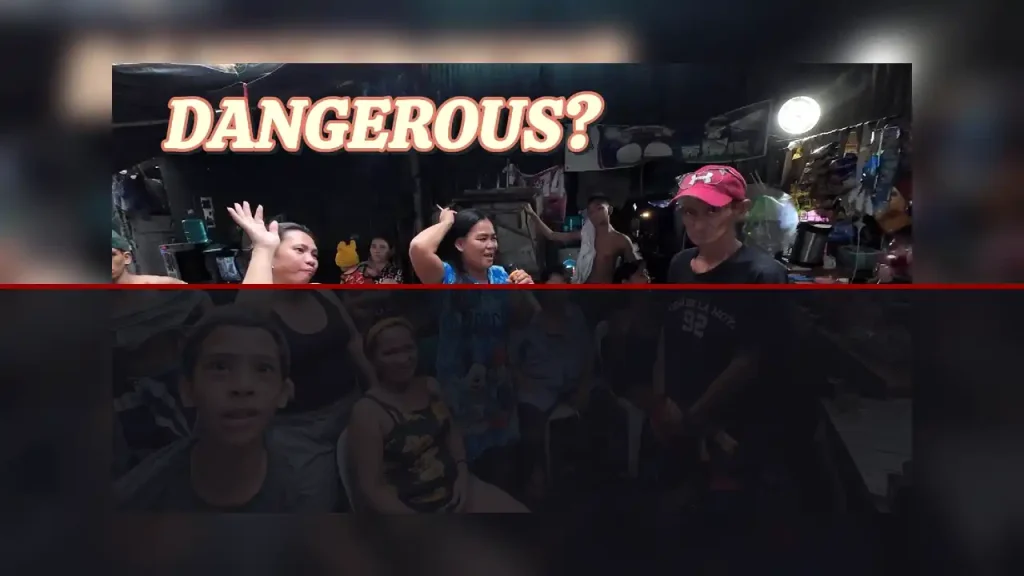
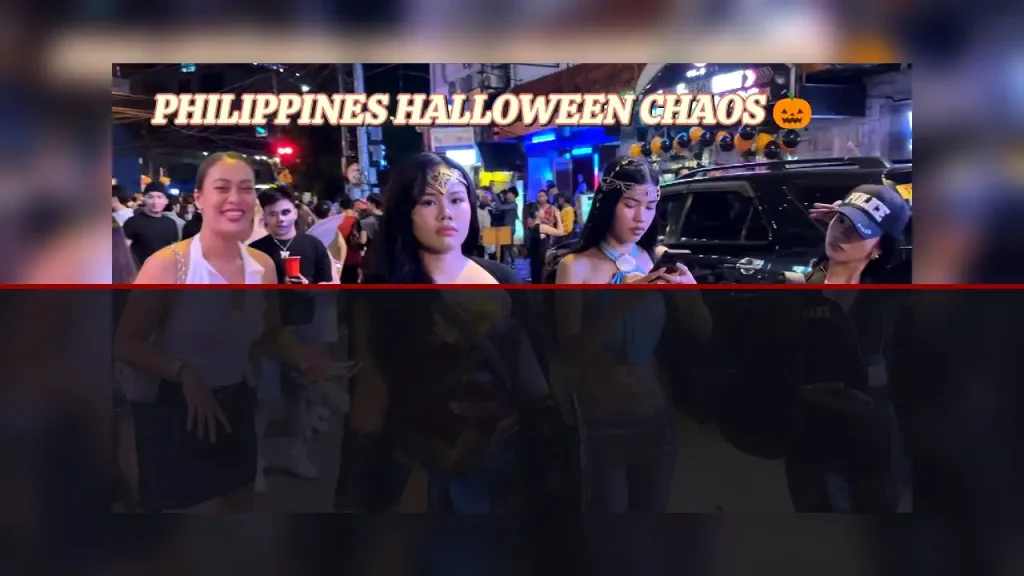
Og_marly captures the tense nocturnal atmosphere of Poblacion Makati, showcasing neon-lit streets, shifting crowd dynamics, and the unpredictable energy of a major metropolitan hub after hours. This visual walkthrough examines local nightlife culture through raw lenswork and immersive street documentary techniques.
Visual Atmosphere and Neon Aesthetic
Poblacion Makati after dark operates as a living laboratory of light, shadow, and movement. Og_marly constructs a distinct visual rhythm by tracking the glow of neon storefronts against deep midnight shadows. The camera glides through bustling alleyways and crowded corridors, capturing the raw luminescence of local watering holes and packed sidewalks. Every frame relies on natural ambient lighting, turning fluorescent signs and dim streetlamps into primary design elements. This approach strips away artificial polish, leaving viewers with an unscripted look at the district’s nocturnal heartbeat. The interplay between warm interior glows from bars and the cool street hues creates a striking visual contrast that defines modern Southeast Asian urban exploration.
Urban Cinematography and Movement
Moving through a dense urban district requires precise camera handling to maintain viewer immersion. The walk utilizes a fluid first-person perspective, capturing every sudden shift in pacing, sudden crowd surges, and unexpected pauses. Instead of relying on stable tripod setups, the handheld movement mirrors the unpredictable nature of navigating a vibrant entertainment zone. When the energy on the street shifts, the camera pacing adjusts accordingly, quickening during moments of high activity and slowing down when scanning alley entrances. This kinetic framing makes the audience feel physically present on the pavement, dodging foot traffic and absorbing the ambient noise of roaring motorbikes, muffled bass lines, and scattered conversations.
Street Dynamics and Public Interaction
Metropolitan nightlife is defined by spontaneous human encounters and fluctuating social currents. As the tour progresses through Poblacion, the video highlights the casual friction between pedestrians, local vendors, and night-shift workers. The documentary style avoids staged interviews, opting instead for environmental storytelling where body language and background activity tell the real story. Vendors managing sidewalk grills, groups laughing outside crowded venues, and security personnel monitoring the block all contribute to a complex social ecosystem. Capturing these candid moments reveals how public spaces transform once the sun goes down, turning routine commercial strips into unpredictable hubs of recreation and tension.
Cultural Context and Local Tourism
Beyond the flashing lights and crowded bars, this visual tour offers a lens into contemporary Philippine metropolitan culture. Poblacion stands as a focal point where traditional neighborhood life intersects with modern commercial nightlife and international tourism. The documentary style frames these changes without judgment, presenting the district as a dynamic zone of economic activity and social exchange. By recording the genuine atmosphere of the streets, the footage serves as an anthropological snapshot of modern Makati nightlife, documenting how public spaces adapt to the demands of a sleepless city.
Frequently Asked Questions
- What location is featured in this urban walking tour?
The video explores the bustling nightlife district of Poblacion Makati City in the Philippines. - Who created this street documentary vlog?
The visual tour is produced and filmed by content creator Og_marly. - What is the primary visual style of the walkthrough?
It utilizes immersive, handheld first-person camera work focusing on natural ambient lighting and unscripted street dynamics.
DISCLAIMER: This article is an independent editorial film critique and educational review based on publicly available trailers and materials from Og_marly. All visual media and trademarks belong to their respective copyright holders. The views and analyses expressed herein are solely for critical commentary, media literacy, and cinematic evaluation under Fair Use guidelines, and do not represent formal statements from authorities or the management of ayosto.com.
About The Author