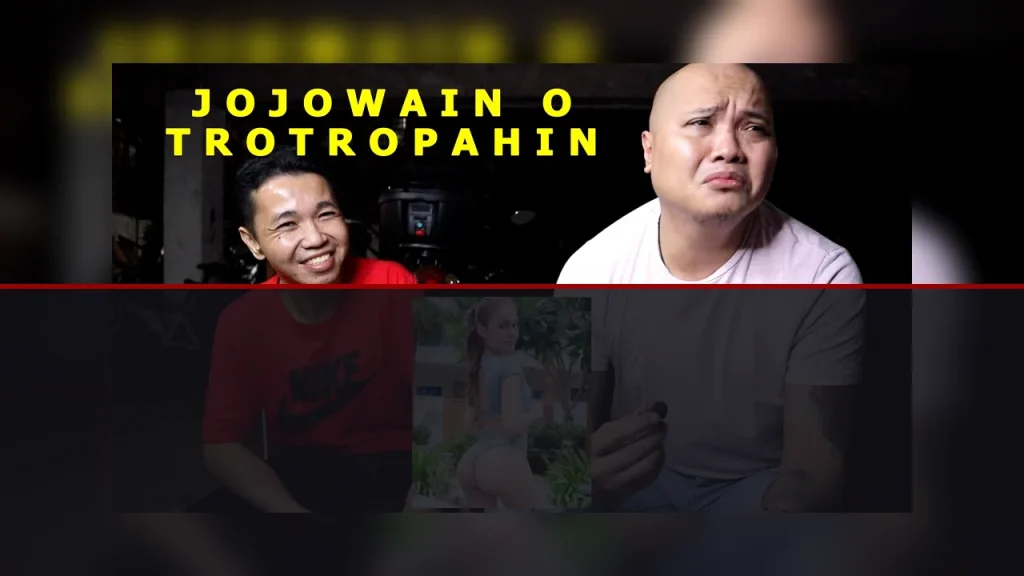
Cherryl Ting’s digital content addresses the unspoken emotional and physical expectations within modern Filipino relationships. By analyzing common communication breakdowns, she provides couples with actionable strategies to improve mutual understanding and marital wellness.
The Rhetoric of Unspoken Desires in Digital Media
In the rapidly evolving landscape of Filipino digital content, relationship advice has transitioned from traditional advice columns to highly engaging, short-form video essays. Cherryl Ting stands at the forefront of this shift, utilizing her platform to decode the complex, often silent expectations that partners harbor in committed relationships. Her work “Wish Nya Alam Mo ‘To” serves as an excellent case study in how modern creators navigate the delicate balance between public entertainment and private domestic education. Ting addresses the silent friction points in long-term partnerships, analyzing why couples struggle to articulate their emotional and physical needs. Rather than relying on sensationalism, her narrative framework elevates these common domestic grievances into a broader discussion on emotional intelligence and marital wellness.
From a media perspective, Ting’s approach is defined by its accessibility. She translates complex psychological concepts—such as attachment styles and active listening—into relatable, vernacular-rich dialogues. The title itself, “Wish Nya Alam Mo ‘To,” taps into a universal human vulnerability: the desire to be understood without the vulnerability of asking. By framing the discourse around this unspoken yearning, Ting immediately establishes a high-empathy connection with her audience, inviting viewers to reflect on their own communicative shortcomings within their relationships.
Visual Minimalism and the Aesthetics of Trust
The directorial choices in Ting’s digital output reflect a conscious effort to establish intimacy and trust. Eschewing the chaotic edits, loud sound effects, and hyperactive graphics typical of contemporary social media, Ting opts for a minimalist aesthetic. The framing is consistently intimate, mimicking a face-to-face conversation over coffee. This visual simplicity is crucial for the subject matter; it strips away the performative nature of digital media and replaces it with a confessional, peer-to-peer atmosphere.
Her lighting and color grading lean toward warm, inviting tones, which soften the delivery of what can often be challenging or uncomfortable relationship critiques. By positioning herself as a trusted confidante rather than an clinical authority figure, Ting lowers the defensive barriers of her audience. This aesthetic strategy allows her to deliver poignant critiques on communication failures and intimacy gaps without alienating the viewer. The camera serves as a conduit for constructive dialogue, transforming the act of watching a video into a moment of personal introspection.
Reframing Intimacy through the Lens of Marital Wellness
A critical component of Ting’s editorial value is her ability to reframe complex physical and emotional dynamics into structured wellness advice. In “Wish Nya Alam Mo ‘To,” she systematically deconstructs the barriers to physical intimacy, presenting them not as isolated physical acts, but as the culmination of daily emotional connection. This holistic view of reproductive health and marital intimacy is a refreshing departure from more reductionist online commentary.
Ting emphasizes that physical closeness is inherently tied to emotional security. She argues that the “unspoken wishes” of a partner often center on a desire for validation, safety, and attentive presence. By placing emotional labor at the center of relationship health, Ting provides her audience with a more sustainable model for long-term domestic harmony. Her advice encourages couples to view intimacy as a collaborative project requiring constant, transparent communication rather than a series of transactional encounters. This sophisticated reframing aligns perfectly with modern therapeutic standards, making her content highly valuable for viewers seeking mature, actionable guidance.
The Cultural Shift in Filipino Relationship Discourse
Historically, discussions surrounding marital intimacy and partner expectations within Filipino culture have been shrouded in conservative hesitation. Ting’s digital presence represents a significant cultural pivot, democratizing relationship education for a digital-native generation. By addressing these topics openly in fluent Tagalog and English, she bridges the gap between traditional values and modern relationship dynamics.
Her content serves an important educational function, particularly for individuals in long-distance relationships or those navigating the transition into adulthood. By normalizing discussions around relational boundaries, mutual respect, and emotional satisfaction, Ting contributes to a healthier public discourse on partnership. Her work acts as a digital forum where viewers can find validation for their experiences, realizing that their relationship challenges are neither unique nor insurmountable. Through this media critique, it is clear that Ting’s influence extends beyond mere entertainment; she is actively shaping how a generation conceptualizes, discusses, and nurtures love in the digital age.
Frequently Asked Questions
- What is the main focus of Cherryl Ting’s video ‘Wish Nya Alam Mo ‘To’?
The video focuses on improving couples’ communication by highlighting the unspoken emotional and physical expectations that partners often hesitate to express directly. - How does Cherryl Ting approach the topic of relationship intimacy?
Ting reframes physical intimacy as a natural extension of emotional security and mutual respect, emphasizing that marital wellness relies on continuous, open dialogue. - Why is Ting’s communication style highly effective for digital audiences?
She combines a warm, minimalist visual setup with relatable language, translating complex relationship theories into practical, empathetic, and culturally relevant advice.
DISCLAIMER: This article is an independent editorial film critique and educational review based on publicly available trailers and materials from Cherryl Ting. All visual media and trademarks belong to their respective copyright holders. The views and analyses expressed herein are solely for critical commentary, media literacy, and cinematic evaluation under Fair Use guidelines, and do not represent formal statements from authorities or the management of ayosto.com.
About The Author